
Celebration of Life Etiquette: What to Expect as a First-Time Guest
A complete guide to celebration of life etiquette covering what to expect, what to wear, what to bring, what to say, and dos and don'ts for first-time guests.
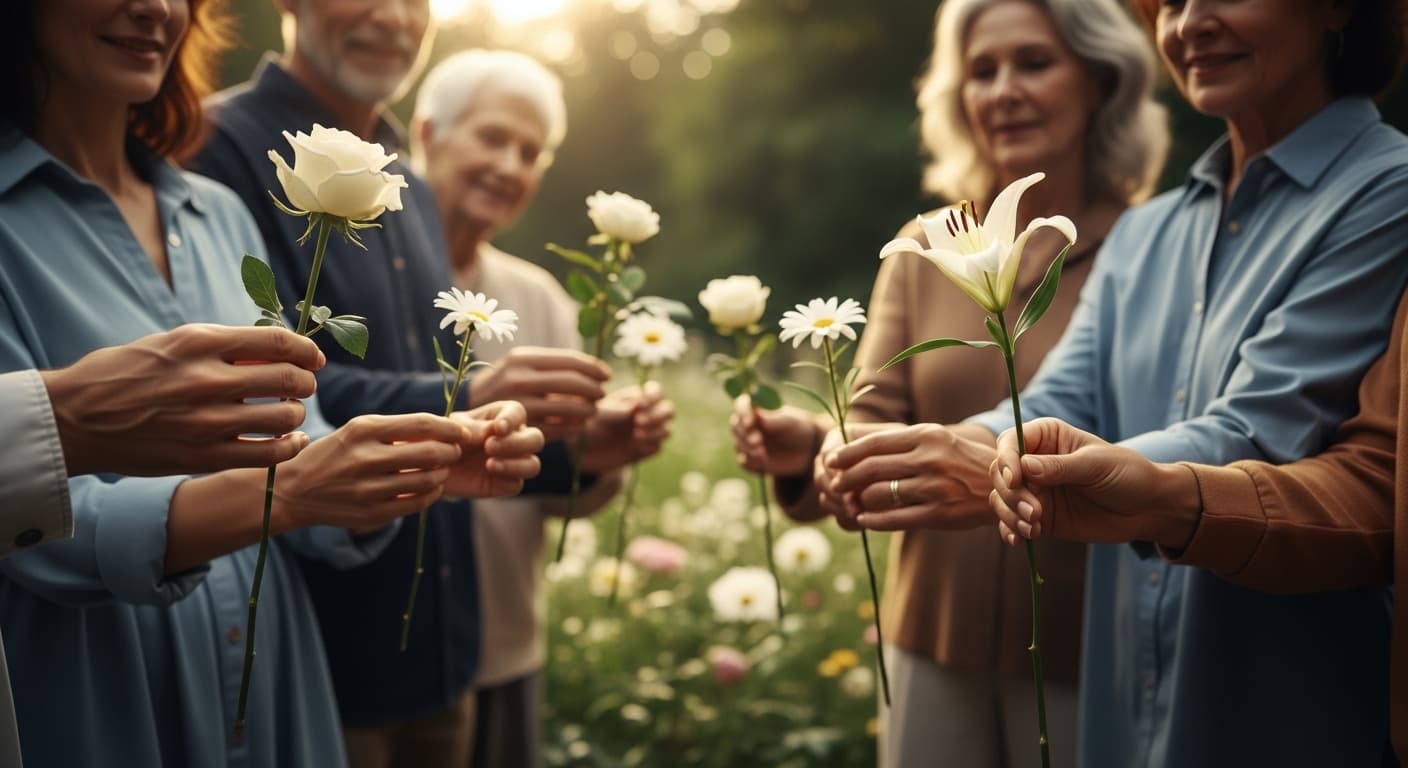
Celebration of life etiquette centers on a few core principles: dress in the colors or style the family requests (or smart casual if unspecified), bring a card or small meaningful gift rather than formal funeral flowers, share positive memories rather than focusing on the circumstances of death, and follow the family's lead on the tone and structure of the gathering. If you have never attended one before, the most important thing to know is that these events are designed to honor someone's life — not to follow a rigid script.
A celebration of life feels different from a traditional funeral in almost every way. The atmosphere is warmer and less formal. Laughter is welcome. Music is personal rather than hymnal. And the "rules" are far more flexible than anything you may be used to from church services or graveside ceremonies. That flexibility, however, is exactly what makes first-time guests uncertain about what to expect at a celebration of life.
This guide walks you through everything: what typically happens at these gatherings, how long they last, what to wear, what to bring, what to say (and what to avoid), and the specific dos and don'ts that will help you feel prepared and present. Whether the invitation specified "casual" or gave no guidance at all, you will leave this page knowing exactly how to show up with confidence and genuine support.
Key Takeaways
Dress smart casual unless told otherwise — skip the all-black funeral attire and follow any color or theme the family requests
Bring a card, not a casserole (usually) — a heartfelt card or small personal gift is more common than flowers or food at these events
Expect a mix of laughter and tears — both are completely normal, and the tone shifts throughout the gathering
Most events last 1.5 to 3 hours — arrive on time, stay through the main program, and leave gracefully when ready
Share memories, not condolences only — families treasure hearing specific stories about their loved one from different people
Follow the family's lead on everything — if they set the tone as casual, festive, or reflective, match that energy
What Is a Celebration of Life?
A celebration of life is a gathering that focuses on honoring who someone was — their personality, passions, accomplishments, and relationships — rather than centering the event on their death. Unlike a traditional funeral, which typically follows a set liturgical or ceremonial structure, celebrations of life are highly personalized. There is no single required format, no prescribed readings, and no expectation that the event take place in a funeral home or house of worship.
These gatherings might happen in a backyard, a favorite restaurant, a community center, a park, or even on a boat. They can take place the week after a death or months later. Some families hold both a private funeral and a separate celebration of life for a wider circle. For a deeper comparison between these formats, our guide on memorial service vs. funeral breaks down the key differences.
The National Funeral Directors Association notes that celebrations of life have grown significantly in popularity over the past decade, with families increasingly choosing personalized events over traditional services. This shift reflects a broader cultural movement toward honoring individuality — even in death.
What to Expect at a Celebration of Life
If you are attending a celebration of life for the first time, the biggest adjustment is the tone. Where funerals tend toward solemnity and structure, celebrations of life are warmer, more relaxed, and sometimes surprisingly joyful. Grief is always present, but it sits alongside laughter, music, and storytelling.
The Atmosphere
Expect to walk into a space that reflects the person being honored. You might see photos arranged on tables, a slideshow playing on a screen, their favorite flowers or personal items on display, and music they loved playing in the background. The room will feel more like a reception than a religious service. People will be mingling, hugging, and sharing stories — not sitting in pews.
The Structure
Most celebrations of life follow a loose structure, though the specifics vary widely. A typical flow includes a welcome from the host or a close family member, a few prepared tributes or eulogies, an open mic for guests to share memories, a meal or refreshments, and sometimes a symbolic ritual like a candle lighting, toast, or tree planting ceremony. Some events skip the formal program entirely and focus on casual gathering and conversation.
The Emotional Range
Be prepared for a wider emotional range than you might expect. You may find yourself laughing at a story one minute and tearing up the next. This is not only normal — it is the entire point. Grief counselors frequently emphasize that celebrating someone's life and mourning their loss are not contradictory acts. They happen simultaneously, and the best celebrations of life hold space for both.
What Happens at a Typical Celebration of Life
Arrival and Greeting
Guests arrive and are welcomed by family members or close friends. There is usually a sign-in book or memory station near the entrance. Take a moment to sign the guestbook, greet the host, and settle into the space. Arrive about 10 minutes early if possible — it shows respect and gives you time to orient yourself before the program begins.
Welcome and Opening Words
A host, family member, or officiant opens the gathering with a brief welcome. This might include acknowledging the loss, thanking guests for coming, and setting the tone for the event. Some hosts explicitly invite laughter, storytelling, and celebration — which can feel like welcome permission if you were unsure about the tone.
Tributes and Eulogies
Close family and friends share prepared tributes — stories, poems, letters, or reflections on the person's life. These are typically more personal and informal than traditional funeral eulogies. Some are funny, some are deeply emotional, and some are both. There is no wrong reaction.
Open Sharing or Open Mic
Many celebrations include a time for any guest to share a memory or story. This is optional — you are not expected to speak. If you do choose to share, keep it brief (1-2 minutes), focus on a specific memory, and speak from the heart. Even a short anecdote about something kind the person did can mean the world to their family.
Symbolic Ritual or Activity
Some families include a group activity — lighting candles, writing messages on stones, releasing butterflies, planting a tree, or adding photos to a memory board. Participate willingly. These rituals give guests a tangible way to contribute to the honoring.
Reception and Socializing
The gathering shifts into a more casual reception with food, drinks, and conversation. This is often the longest portion of the event. Mingle, share stories with other guests, and connect with the family when they are available. This informal time is where many of the most meaningful moments happen.
How Long Does a Celebration of Life Last?
Most celebrations of life last between 1.5 and 3 hours, though the range can extend from a brief one-hour ceremony to an all-day open house. The duration depends on the family's preferences, the number of speakers, whether a meal is served, and the overall format of the event.
A structured celebration with a formal program — welcome, tributes, open mic, and closing — typically runs 60 to 90 minutes for the ceremony portion, followed by a reception that can last another 1 to 2 hours. An informal gathering without a set program may simply have a window (such as 2:00 to 5:00 PM) during which guests arrive and leave at their own pace.
Funeral directors typically advise guests to stay through the main program and at least 30 minutes of the reception. Leaving during the formal tributes can feel disruptive, so if you need to leave early, sit near an exit and slip out during a transition. There is no obligation to stay until the very end — the family will understand.
What Do You Wear to a Celebration of Life?
The question of what do you wear to a celebration of life is one of the most common concerns for first-time guests — and the answer is simpler than you might expect. The default dress code is smart casual unless the invitation specifies otherwise.
General Guidelines
- Check the invitation first. Many families specify a dress code, a color theme (such as the person's favorite color), or even request festive attire. Always follow family guidance over general rules.
- When in doubt, wear smart casual. A button-down shirt or blouse with slacks or a modest dress is appropriate for most celebrations of life. You do not need to wear a suit or formal dress unless the invitation suggests it.
- Skip the all-black. Unlike traditional funerals, celebrations of life often embrace color. Wearing all black is not wrong, but it may feel out of place if the family has requested bright or meaningful colors.
- Avoid overly casual clothing. Flip-flops, graphic t-shirts, athletic wear, and distressed jeans are generally too informal — even for a backyard event.
- Consider the venue. A celebration at a restaurant calls for different attire than one at a beach or park. Dress for the setting as well as the occasion.
What to Wear: Men
A collared shirt (polo or button-down) with chinos or dress pants is a safe choice for most celebrations of life. A blazer adds a touch of formality without being overdressed. Loafers or clean casual shoes work well. If the family requests a specific color, incorporate it through your shirt or tie.
What to Wear: Women
A blouse with slacks, a knee-length dress, or a skirt with a nice top are all appropriate. Flats or low heels are practical, especially for outdoor venues. If the family requests a color, a scarf, accessory, or dress in that shade is a thoughtful touch. Avoid anything too revealing or heavily embellished — the goal is respectful, not formal.
Do You Wear Black to a Celebration of Life?
You can, but you do not have to. Black is never inappropriate, but it may stand out if everyone else has dressed in warm earth tones or the person's favorite color. If no dress code is given, muted or neutral tones — navy, sage, soft blue, charcoal — are versatile choices that feel respectful without the funereal weight of all-black.
What to Bring to a Celebration of Life
Knowing what to bring to a celebration of life depends on the family's preferences and the nature of the event. In most cases, a heartfelt card is the most appropriate and appreciated gesture. Here is a breakdown of common options.
A Sympathy Card or Personal Note
A handwritten card with a specific memory or personal message is universally appropriate and deeply valued. Write something you remember about the person — a quality you admired, a moment you shared, or something they said that stuck with you. A generic "sorry for your loss" card is fine, but a personalized note is far more meaningful. For message ideas, see our guide on what to write in a sympathy card.
Photos or Mementos
If you have a photo with the person that the family may not have seen, bring a copy. Printed photos are especially treasured — families often discover sides of their loved one they never knew through photos shared by friends, coworkers, or neighbors. Small mementos tied to a shared experience are also welcome.
Flowers or a Plant
Some families welcome flowers; others request donations in lieu of flowers. Always check the invitation. If flowers are welcome, a small bouquet or a potted plant (symbolizing ongoing life) is a thoughtful choice. If the family has not specified, a card is the safer default.
Food or a Contribution to the Meal
If the celebration includes a potluck or communal meal, bringing a dish is appropriate — coordinate with the family or organizer to avoid duplicates. For catered or restaurant-hosted events, food contributions are typically unnecessary. Sending a meal to the family's home in the days after the event is another thoughtful gesture that is often more useful than bringing something to the gathering itself. Our guide on what to bring to a memorial service covers additional ideas.
A Charitable Donation
Many families request donations to a specific charity, scholarship fund, or memorial cause in lieu of gifts. If this preference is stated, honoring it is the most respectful choice. You can still bring a card letting the family know you made a donation in their loved one's name.
What to Say at a Celebration of Life
What you say at a celebration of life matters more than you think — not because there is a script to follow, but because grieving families remember the specific words people shared long after the event. The goal is not to say something profound. It is to say something real.
When Speaking to the Family
- Share a specific memory. "Your mom once helped me fix a flat tire in a parking lot and refused to leave until she knew I was safe" means more than "She was such a wonderful person."
- Name a quality you admired. "I always admired how patient she was with everyone" gives the family something concrete to hold onto.
- Acknowledge the loss simply. "I'm so sorry. I cared about her too" is honest and sufficient. You do not need to explain death or offer a silver lining.
- Offer specific help if genuine. "I'd like to bring dinner next Thursday" is more useful than "Let me know if you need anything."
What Not to Say
Grief counselors consistently advise avoiding certain phrases, even when well-intentioned:
- "They're in a better place." This may conflict with the family's beliefs and can feel dismissive of their pain.
- "I know how you feel." Even if you have experienced a similar loss, everyone's grief is unique. Instead, try "I can only imagine how hard this is."
- "At least they lived a long life." Loss hurts regardless of age. This minimizes their grief.
- "Everything happens for a reason." There is no reason that feels adequate when someone is mourning.
- "You should..." Avoid giving advice about how to grieve, when to move on, or what they should do next.
For a broader guide on navigating these conversations, see what to say at a funeral — many of the same principles apply.
“What we once enjoyed and deeply loved we can never lose, for all that we love deeply becomes a part of us.”
Celebration of Life Etiquette: Dos and Don'ts
This is the section most first-time guests are looking for — a clear, honest list of what is appropriate and what is not. Bereavement professionals and families consistently point to the same patterns.
Do
- Arrive on time or slightly early. Arriving 10 minutes before the event starts shows respect and lets you settle in before the program begins.
- Sign the guestbook. It seems small, but families review the guestbook repeatedly in the weeks after. Your name and a short note matter.
- Follow the dress code. If the family requests a specific color or casual attire, honor it. It is part of how they are choosing to remember their person.
- Share a memory if you feel comfortable. Even a brief anecdote — spoken during the open mic or written on a card — gives the family a gift they will revisit for years.
- Participate in group activities. If there is a candle lighting, a toast, a memory jar, or a moment of silence, join in. These rituals create collective comfort.
- Offer specific, practical help. "I can pick up your kids on Tuesday" is more helpful than "Let me know if you need anything."
- Silence your phone. Put it on silent before you arrive. If you need to take a call, step outside.
- Be present. Listen more than you speak. Hug when invited. Sit with someone who is crying. Sometimes the most powerful thing you can do is simply stay.
Don't
- Don't make the event about your grief. If you are also deeply affected, that is valid — but the immediate family's experience takes priority at this gathering. Seek support from a friend or counselor separately.
- Don't ask about the cause of death. If the family wants to share, they will. Asking can feel intrusive, especially in a group setting.
- Don't record or livestream without permission. Some families welcome photos; others find it invasive. Ask before pulling out your phone to record tributes or speeches.
- Don't pressure anyone to speak or participate. Not everyone grieves publicly. A guest who sits quietly in the back is still fully present.
- Don't compare losses. Saying "I know exactly how you feel — I lost my aunt last year" redirects the focus from their grief to yours.
- Don't bring up unresolved conflicts with the deceased. A celebration of life is not the time to process complicated relationships. This is about honoring, not resolving.
- Don't leave without acknowledging the family. A brief goodbye — "Thank you for including me. I'm thinking of you" — is enough. Slipping out without a word can feel like indifference.
How to Participate When You Didn't Know Them Well
Most etiquette guides assume you were close to the person who died. But many celebration of life guests are coworkers, neighbors, parents of their children's friends, or acquaintances who want to show support without pretending to a closeness that did not exist. This is more common than people realize, and it is perfectly appropriate.
In our experience helping families through memorial planning, one thing that consistently surprises people is how meaningful it is to hear from someone outside the inner circle. A coworker who says "Your husband always made sure I was included in team lunches — he noticed people" gives the family a new window into who their person was in the world. That kind of small, specific observation matters enormously.
What You Can Do
- Be honest about your connection. "I worked with her for three years" or "We were neighbors" is enough context. You do not need to inflate the relationship.
- Share what you noticed. Even casual observations — their always-perfect garden, the way they greeted everyone by name, their dry sense of humor — are gifts to the family.
- Support without centering yourself. Your role is to be a reassuring, warm presence. Show up, listen, say something genuine, and know that your attendance alone is a meaningful gesture.
- Write a card if speaking feels awkward. A handwritten note is a permanent record. Public speaking is not required to be supportive.
Hospice care professionals often note that the most healing moments at memorial gatherings come from unexpected voices — the mail carrier, the barista, the neighbor who waved every morning. These people remind the family that their loved one's impact extended far beyond their closest circle.
Planning vs. Attending: Understanding Your Role
If you are strictly a guest, your role is straightforward: show up prepared, be present, and support the family. But sometimes the lines blur — especially if you are a close friend who wants to help with logistics, or a colleague organizing a group tribute.
Here is a simple framework for understanding what falls within your role:
- Guest: Arrive on time, bring a card, participate in activities, share a memory if comfortable, express condolences, leave gracefully.
- Close friend or extended family: Offer to help with specific tasks (setting up, managing the guestbook, coordinating food). Ask the primary organizer what they need rather than taking initiative on your own.
- Colleague or group representative: Coordinate a collective card, a group donation, or a brief spoken tribute on behalf of the team. Keep group tributes under 3 minutes and focus on specific memories, not generalizations.
If you are involved in the planning side, our comprehensive guide on how to plan a celebration of life covers the full process — from choosing a venue to writing the program. For creative ideas to make the gathering memorable, browse 50 celebration of life ideas.
Create a Lasting Digital Memorial
Honor their story beyond the gathering. Create a memorial page where family and friends can share photos, memories, and tributes — and plant a real memorial tree as a living legacy.
Create a MemorialMemoriTree
MemoriTree editorial team.