
50 Celebration of Life Ideas to Honor Their Memory
Discover 50 meaningful celebration of life ideas with step-by-step details — from memory displays and guest activities to living tributes and ceremony programs.
Planning a gathering to honor someone you love can feel overwhelming, especially while you're grieving. But here's the truth: the most meaningful celebration of life ideas don't require a professional event planner or a large budget. They come from paying attention to who that person was and finding ways to bring their spirit into the room.
This guide walks you through 50 practical ideas organized by category — from personal tribute displays and interactive guest activities to food, atmosphere, living legacies, and ceremony rituals. Each idea includes enough detail to actually execute it, not just a one-line suggestion. Whether you're organizing an intimate backyard gathering or a larger community event, you'll find options here that feel right for the person you're honoring.
If you're still sorting out what this type of gathering involves, our guide on what a celebration of life is covers the basics. Otherwise, let's get into the ideas — because the best tributes come from the heart, and planning doesn't have to be one more source of stress.
10 Most Popular Celebration of Life Ideas
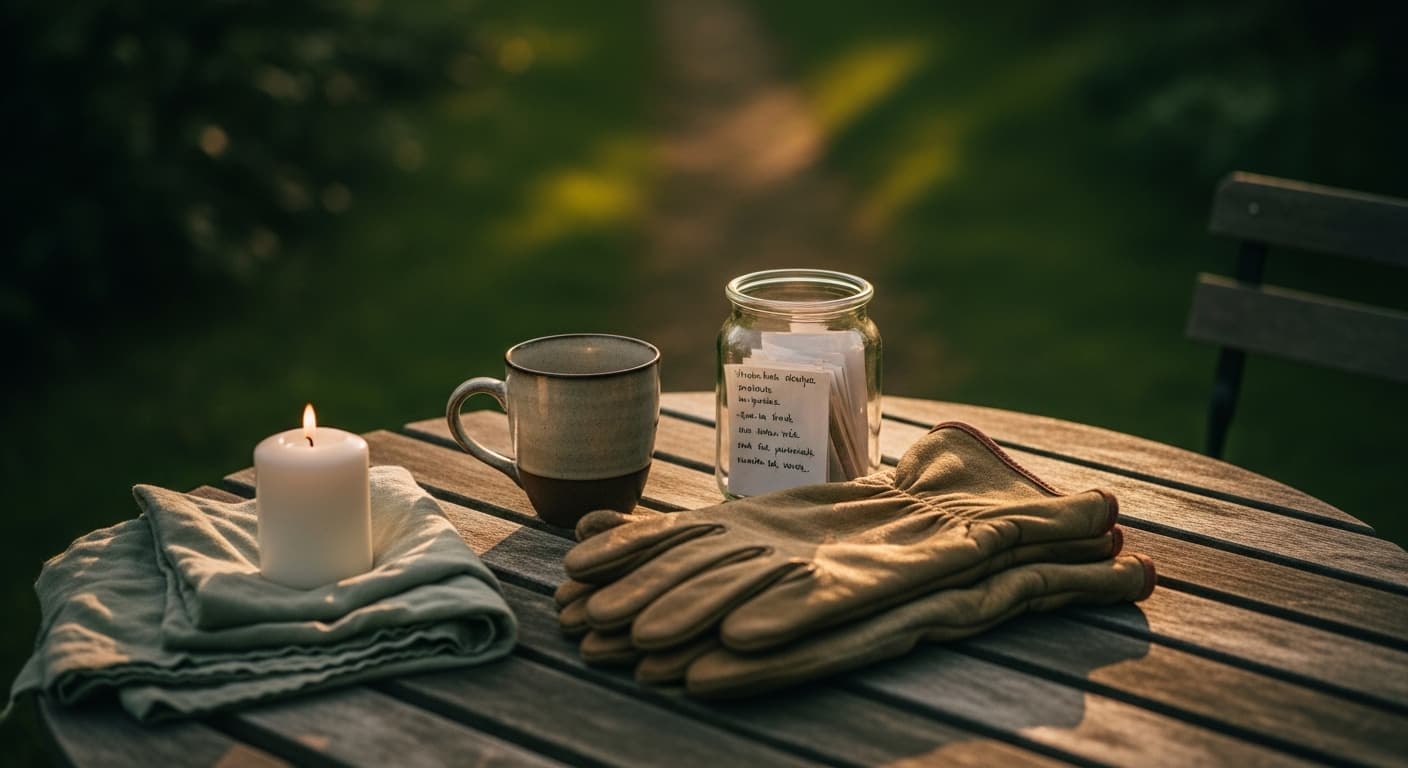
Memory table with personal items — glasses, favorite mug, well-loved book, gardening gloves
Photo slideshow or video montage — set to their favorite music, from childhood through recent years
Memory jar for written notes — guests write favorite memories on cards and drop them in
Their favorite meal or potluck — serve the dishes they always cooked or always ordered
Plant a memorial tree — a living tribute that grows alongside your memories
Open mic for story sharing — a microphone and an invitation for anyone to speak
Candle lighting ceremony — each guest lights a candle, creating a collective glow
Release butterflies — a symbolic gesture of transformation and beauty
Create a collaborative playlist — guests add songs to a shared playlist during the event
Start a scholarship or donation fund — direct collective generosity toward something they cared about
Personal Tribute and Memory Display Ideas
These first ten ideas focus on making the space feel like them — surrounding guests with objects, images, and creations that bring their personality into the room.
1. Memory Table with Personal Items. Set up a central table with objects that tell their story: their reading glasses, a favorite coffee mug, gardening gloves, a well-loved book with dog-eared pages. Include a small card next to each item explaining its significance. Guests will gravitate toward this table naturally, and it becomes a conversation starter for people who knew different sides of them.
2. Photo Slideshow or Video Montage. Compile photos from every chapter of their life — childhood snapshots, wedding day, holidays, candid moments — and set them to music they loved. Aim for 10 to 15 minutes and let it loop throughout the gathering. If you have short video clips, weave them in. Hearing their voice and laughter in the room is a gift that photos alone can't provide.
3. Display Their Collections. If they collected vinyl records, stamps, teacups, sports memorabilia, or anything else, bring a selection to the gathering. Arrange the items on a dedicated table with a small sign that reads something like "Things that brought them joy." Collections reveal a person's passions in a way words sometimes can't.
4. Favorite Things Corner. Create a cozy corner with items they reached for daily — a worn cardigan, their favorite snack, a well-thumbed novel, reading glasses perched on top. This is more intimate than a formal display. It's the kind of arrangement that makes guests stop and say, "That's so them."
5. Memory Board or Photo Collage. Set up a large corkboard or foam board where guests can pin photos, ticket stubs, postcards, and small mementos. Provide thumbtacks and markers so people can add their own contributions throughout the event. By the end of the gathering, you'll have a collaborative portrait of their life. For more inspiration, see our guide on memory board ideas for a funeral.
6. Frame Their Favorite Quotes. Print the sayings, song lyrics, or mottos they lived by and display them in decorative frames around the room. If they had a catchphrase everyone knew, frame that too. These become natural focal points for reflection, and family members often take them home afterward as keepsakes.
7. Showcase Their Creations. If they painted, quilted, built furniture, wrote poetry, or cooked from handwritten recipe cards, put those creations on display. Arrange artwork on easels, hang quilts as backdrops, or set out a binder of their poems. There's something deeply moving about seeing the work someone's hands produced.
8. Interactive Life Timeline. Roll out a long strip of banner paper along a wall and mark major life events with dates and photos. Leave space between entries and provide markers so guests can add their own memories to specific years. By the end of the event, you'll have a crowd-sourced timeline that captures moments the family may never have heard about.
9. Map of Their Travels. Print or mount a large world map and pin every place they visited, lived, or dreamed of going. Attach small index cards at each pin with a brief story — "Backpacked through Portugal, 1998 — came home with a suitcase full of tile samples." This works especially well for people whose sense of adventure defined them.
10. Display Letters and Cards. If the family has treasured correspondence — birthday cards, love letters, notes from grandchildren — arrange a selection on a table or in a shadowbox. Seeing handwritten words exchanged over decades tells a story no eulogy can fully capture. Ask the family's permission first, and choose letters that celebrate the relationships rather than reveal anything private.
Interactive Activities to Engage Guests
The best celebrations give guests something to do with their hands and hearts. These activities create space for sharing without putting anyone on the spot.
11. Memory Jar. Place a large glass jar on a table with a stack of blank cards and pens. Invite guests to write down a favorite memory, a lesson they learned, or something they'll miss. The family takes the jar home afterward and reads the cards over the following weeks and months — long after the event, new stories keep arriving.
12. Share-a-Memory Cards. Print cards with structured prompts like "My favorite memory of them is..." and "The thing I'll always remember is..." and "They once told me..." Having a prompt makes it easier for guests who want to contribute but don't know where to start. Collect the cards in a decorated box for the family.
13. Collaborative Playlist Station. Set up a tablet at a small table where guests can search for and add songs to a shared Spotify or Apple Music playlist. Title it something like "Songs That Remind Us of You." By the end of the gathering, you'll have a playlist the family can listen to for years — each song carrying a memory from someone who loved them.
14. Recipe Card Collection. Provide blank recipe cards and ask guests to write down a dish they associate with the person — maybe something they cooked together, a meal they always ordered at a certain restaurant, or a holiday recipe they're famous for. Compile the cards into a small recipe book for the family.
15. Words of Wisdom Board. Hang a large poster or whiteboard and invite guests to write down advice, life lessons, or words of wisdom they learned from the person. This works well when the gathering includes younger family members who can look back at these words in future years.
16. Video Testimonial Booth. Set up a phone or camera on a tripod in a quiet corner with a simple sign: "Record a message for the family." Keep it low-pressure — guests can share a story, a thank-you, or just say what the person meant to them. These recordings become invaluable over time, preserving voices and emotions that memory alone can't hold.
17. Open Mic for Story Sharing. Set up a microphone and designate someone warm and comfortable to go first — hearing the first story breaks the ice for everyone else. Keep it informal: no sign-up sheet, no time limits, just an open invitation. Some of the most moving moments at a celebration of life happen when someone unexpected steps up to speak.
18. Guest Book with Prompts. Instead of a traditional guest book where people just sign their name, include prompts on each page: "What I'll miss most..." "The funniest thing they ever did..." "A word that describes them..." This turns a formality into something the family will actually want to read.
How to Plan a Celebration of Life
Choose the setting
Think about where they felt most at home. A backyard, a favorite park, a restaurant they loved, a community center, or even a virtual gathering for faraway friends. The setting should reflect their personality, not convention.
Set the tone
Decide whether the gathering will be formal, casual, or themed around something they loved. A jazz musician might deserve a New Orleans-style send-off. A gardener might call for a garden party. Let their life guide the atmosphere.
Plan the program
Outline the flow: opening remarks, music, story sharing, an interactive activity or two, food, and a closing toast or ritual. Keep the structure loose enough for spontaneity but organized enough that guests know what to expect.
Assign roles
Decide who will deliver opening remarks, who manages the music, who greets guests at the door, and who handles food setup. Spreading the work prevents any one person from carrying the full weight of the day.
Prepare memory activities
Choose three or four interactive elements from this list — a memory jar, a playlist station, a photo display, a guest book with prompts. Having activities gives guests something to do during natural lulls and creates tangible keepsakes.
Send invitations
Include the date, time, location, dress code (if any), what guests might bring (a photo, a dish, a memory), and parking details. A brief note about the tone — 'This will be a casual gathering to share stories and celebrate their life' — helps guests know what to expect.
For a more detailed walkthrough of every planning step, including timelines and checklists, see our full planning guide.
Food, Drinks, and Atmosphere Ideas
Food and atmosphere set the emotional temperature of a gathering. These ideas turn a room into a space that feels like them.
19. Serve Their Favorite Meal. Cook their signature dish, order from their favorite restaurant, or recreate the meal they always requested on their birthday. Food carries memory in a way few other things can. When guests taste something familiar, it brings the person back into the room.
20. Create a Signature Cocktail or Mocktail. Name it after them and print recipe cards guests can take home. If they had a go-to drink — a gin and tonic, a particular red wine, a specific brand of root beer — serve that. If they didn't drink alcohol, create a mocktail that reflects their personality: something bright and citrusy for an extrovert, something warm and spiced for someone who loved fall.
21. Host a Potluck of Favorite Dishes. Ask each guest to bring a dish that reminds them of the person. Include a label next to each dish with the story behind it: "Mark always made this chili for Super Bowl Sunday" or "This was her grandmother's pie recipe that she taught me." The table itself becomes a tribute.
22. Dessert Bar. Set up their favorite sweets — homemade pies, a specific brand of cookies, the cake they always ordered at that one bakery. If they had a sweet tooth, lean into it. If they were the type to say "I shouldn't" and then have two slices anyway, put that energy on a small sign.
23. Play Their Go-To Playlist. Compile the songs they always played — in the car, around the house, at every barbecue. Ask family members and friends to contribute. Let the music play softly in the background throughout the gathering. When a song comes on that a guest recognizes, you'll see them pause, smile, and remember.
24. Decorate with Their Favorite Colors. Use tablecloths, flowers, napkins, and balloons in the colors they loved. If they wore blue every day, fill the room with shades of blue. If they were drawn to sunflowers and warm yellows, build the palette around that. Color is subtle but it sets a tone guests feel even if they can't name it.
25. Light Scented Candles. Use their signature scent — lavender if they gardened, vanilla if they baked, pine if they loved the outdoors, a particular perfume or cologne if the family can find it. Scent is one of the strongest memory triggers we have. A familiar fragrance can bring someone back more powerfully than any photograph.
26. Suggest Themed Attire. Ask guests to wear their loved one's favorite color, or Hawaiian shirts if they lived for the beach, or team jerseys if they were a devoted fan. Themed attire lightens the mood and creates a visual sense of unity. Include the suggestion in the invitation so no one feels caught off guard.
Unique and Creative Celebration of Life Ideas
These ideas go beyond the traditional and work well for people whose personality was anything but ordinary.
27. Hire a Live Band or Musician. If they loved jazz, hire a jazz trio. If they played guitar, find a guitarist who can play their favorite songs. Live music changes the energy of a gathering in a way recorded music cannot. Even a single musician playing acoustic covers in the corner creates an atmosphere that feels intentional and warm.
28. Paint and Sip Tribute. Set up a painting station with canvases, brushes, and acrylic paints. Ask each guest to paint something that reminds them of the person — a place, a symbol, an abstract feeling. No skill required. At the end of the event, line up the paintings and you'll have a gallery of how different people saw the same person.
29. Outdoor Adventure. Hike their favorite trail, visit their beach, picnic at their park. Moving through a landscape they loved is a different kind of remembrance — physical, quiet, and grounding. Bring a thermos of their favorite drink and take a rest at the spot they would have chosen.
30. Screening of Their Favorite Film. Set up a projector (indoors or outdoors with a white sheet), make popcorn, and watch the movie they quoted constantly or watched every holiday season. Hand out small cards beforehand where guests can write which scene or line reminds them most of the person.
31. Garden Party. Hold the gathering in a garden setting surrounded by flowers they loved. If the venue doesn't have a garden, create one: potted plants, hanging flower baskets, herb boxes. Give each guest a small potted plant to take home as a living reminder of the day and the person you're honoring.
32. Photo Booth with Props. Set up a photo station with props they would have loved — their signature hat, their oversized sunglasses, a fishing rod, a chef's apron, a pair of binoculars. Print a backdrop with a favorite quote or their name. The photos give guests something tangible to take home and often capture genuine laughter.
33. Time Capsule. Provide a sturdy box and ask guests to contribute a small item or a sealed letter. Include photos from the gathering, a newspaper from the day, and notes from family members. Seal it with a date to open — five years, ten years, or on a meaningful anniversary. It transforms a single gathering into a gift for the future.
34. Bonfire Gathering. Share stories around a fire pit as the evening settles in. Toast marshmallows, play guitar, pass around hot chocolate or cider. There's something about firelight that makes people open up. The informality of a bonfire invites the kind of storytelling that formal settings sometimes inhibit.
“There is a sacredness in tears. They are not the mark of weakness, but of power. They speak more eloquently than ten thousand tongues.”
Living Tribute and Lasting Legacy Ideas
These ideas extend the gathering beyond a single day. They create something that grows, gives, or endures — a way to channel grief into action.
35. Plant a Memorial Tree. Plant a memorial tree as a living tribute that grows alongside your memories. Choose a species they loved or one native to a place that mattered to them. Whether you plant it in a family yard or through a reforestation program, a tree is a reminder that life continues and that their presence still shapes the world around you.
36. Start a Scholarship Fund. Establish a scholarship in their name at a local school, college, or trade program. It doesn't have to be large — even a small annual award keeps their name connected to education and opportunity. Include their story in the scholarship description so future recipients know who they're honoring.
37. Make a Group Donation. Collect contributions from guests and direct them toward a charity or cause the person cared about. Set up a simple donation page or place a collection box at the gathering with information about the organization. Many families find that collective generosity eases the helplessness that comes with loss.
38. Organize a Volunteer Day. Gather friends and family to volunteer at an organization the person supported — a food bank, an animal shelter, a community garden, a literacy program. Doing something useful together channels grief into action and honors their values in a concrete way.
39. Dedicate a Memorial Bench. Place a bench with a small plaque at their favorite park, garden, campus, or walking trail. It becomes a place where family and friends can sit, reflect, and feel close to them. Check with local parks departments about dedication programs — many have formal processes that are straightforward and affordable.
40. Release Butterflies. A live butterfly release is a gentle, symbolic gesture of transformation and beauty. Order from a reputable butterfly farm and release them together during the gathering. This works best outdoors in warm weather. Avoid balloon releases, which harm wildlife — butterflies are an environmentally responsible alternative that carries deeper meaning.
41. Create a Memorial Book. Compile stories, photos, letters, and memories into a bound book for the family. You can gather content at the celebration itself and add to it afterward. Services like Blurb or Shutterfly make it straightforward to design and print. This becomes a family heirloom that future generations can hold.
42. Give Seed Packets as Favors. Send guests home with small envelopes of wildflower seeds, herbs, or a flower the person loved. Include a tag that reads something like "In loving memory — plant these and watch something beautiful grow." Months later, when those flowers bloom, guests will think of both the person and the day you gathered. For more on this kind of tribute, read our guide to planting a tree in memory of someone.
Ceremony and Ritual Ideas
Every gathering benefits from a sense of structure — even a loose one. These ideas give shape to the day without making it feel rigid or formal.
43. Welcome and Opening Remarks. Designate someone to set the tone at the start: acknowledge the gathering, thank everyone for coming, and briefly explain the flow of the day. Keep it warm and short — two to three minutes. The goal is to make guests feel welcome and help them settle into the emotional space of the event.
44. Read a Favorite Poem or Passage. Choose something from their favorite author, a religious text they drew strength from, or a poem that captures their spirit. If they underlined passages in books, read one of those. There's a particular power in hearing words the person themselves loved spoken aloud in their honor.
45. A Moment of Silence or Guided Reflection. Invite guests to close their eyes for one minute and hold a private memory. You can introduce it simply: "Let's take a moment to remember them in our own way." Silence in a room full of people who share a loss is one of the most connecting rituals you can offer.
46. Sing a Group Song. Choose a song everyone knows — a hymn, a folk song, a classic they loved — and print lyric sheets. Singing together creates a sense of unity that speaking can't quite replicate. It doesn't need to be polished. The sound of many voices together, however imperfect, is deeply moving.
47. Candle Lighting Ceremony. Provide each guest with a small candle. One person lights theirs first and passes the flame around the room until every candle is glowing. The growing light is a visual metaphor for how one life touches many. Dim the overhead lights to let the candlelight fill the space.
48. Eco-Friendly Lantern Send-Off. Use biodegradable paper lanterns that guests can write messages on before releasing them. Check local fire regulations first — some areas restrict open-flame lanterns, in which case LED lanterns or floating flower lanterns on water are a thoughtful alternative. The visual of lights rising or floating away gives the gathering a sense of peaceful closure.
49. A Final Group Toast. At the close of the gathering, raise a glass with their favorite drink — or any drink — and ask each person to share one word that describes the person they're honoring. Go around the room or simply let people call out their word. The cascade of words becomes a collective portrait: generous, stubborn, hilarious, steady, kind.
50. Write Letters to Them. Provide stationery and ask guests to write a final letter — what they want to say, what they wish they'd said, what they'll carry forward. Place the letters in a decorative box for the family to keep, or if the group agrees, burn them together in a fireproof vessel as a symbolic release. Either way, the act of writing creates a private moment of connection within the larger gathering.
What to Bring to a Celebration of Life
If you've been invited to a celebration of life and aren't sure what to bring, here are thoughtful options:
- A favorite photo or memento to share — something that connects you to the person, even if it's small
- A written memory — in case you're too emotional to speak, having it on paper means your words still reach the family
- A dish they loved — if it's a potluck, bring something that carries a story
- Flowers or a plant — if the family hasn't requested otherwise, a simple bouquet or potted plant is always appropriate
- Tissues — for yourself and the person sitting next to you
- An open heart and a willingness to share — your presence and your stories are the most meaningful things you can offer
Not sure what to wear? Check our guide on what to wear to a celebration of life. The short answer: attire is usually less formal than a funeral. When in doubt, ask the family or follow any guidance in the invitation.
Opening Words for a Celebration of Life
If you've been asked to deliver opening remarks, here are three approaches you can adapt depending on the tone you want to set.
Warm and Welcoming
"Thank you all for being here. When I look around this room, I see the people who made their life so full — friends from every chapter, family who loved them longest, neighbors who became something more. We're here today not to say goodbye, but to say thank you. Thank you for the years, the laughter, and the kind of love that doesn't fade just because someone is no longer standing beside us."
Reflective and Gentle
"There's a particular kind of silence when someone we love is missing from the room. We all feel it today. But if they were here, they wouldn't want us sitting in that silence for long. They'd want stories. They'd want us to remember the ordinary days — the Sunday mornings, the phone calls about nothing, the way they made the people around them feel seen. So that's what we'll do today. We'll remember, together."
Gently Humorous
"If they could see us all gathered here, dressed up and looking serious, they would probably say something like, 'What is this, a board meeting?' So in their honor, I'm going to ask you all to take a breath, relax your shoulders, and remember that this gathering is supposed to feel like them — which means there should be good food, honest stories, and at least one moment where we laugh so hard we forget, just for a second, why we're here. That's not disrespectful. That's exactly how they'd want it."
For more on how this type of gathering differs from a traditional service, see our comparison of how a celebration of life differs from a funeral.
Gather Memories in a Lasting Digital Tribute
The stories and photos shared at a celebration of life are precious. Create a free memorial page where loved ones can continue sharing memories for years to come.
Create a Free MemorialMemoriTree
MemoriTree editorial team.