
What to Wear to a Celebration of Life: A Respectful Style Guide
Not sure what to wear to a celebration of life? Our complete guide covers dress codes by formality, venue, and season — plus outfit ideas for women, men, and what to avoid.
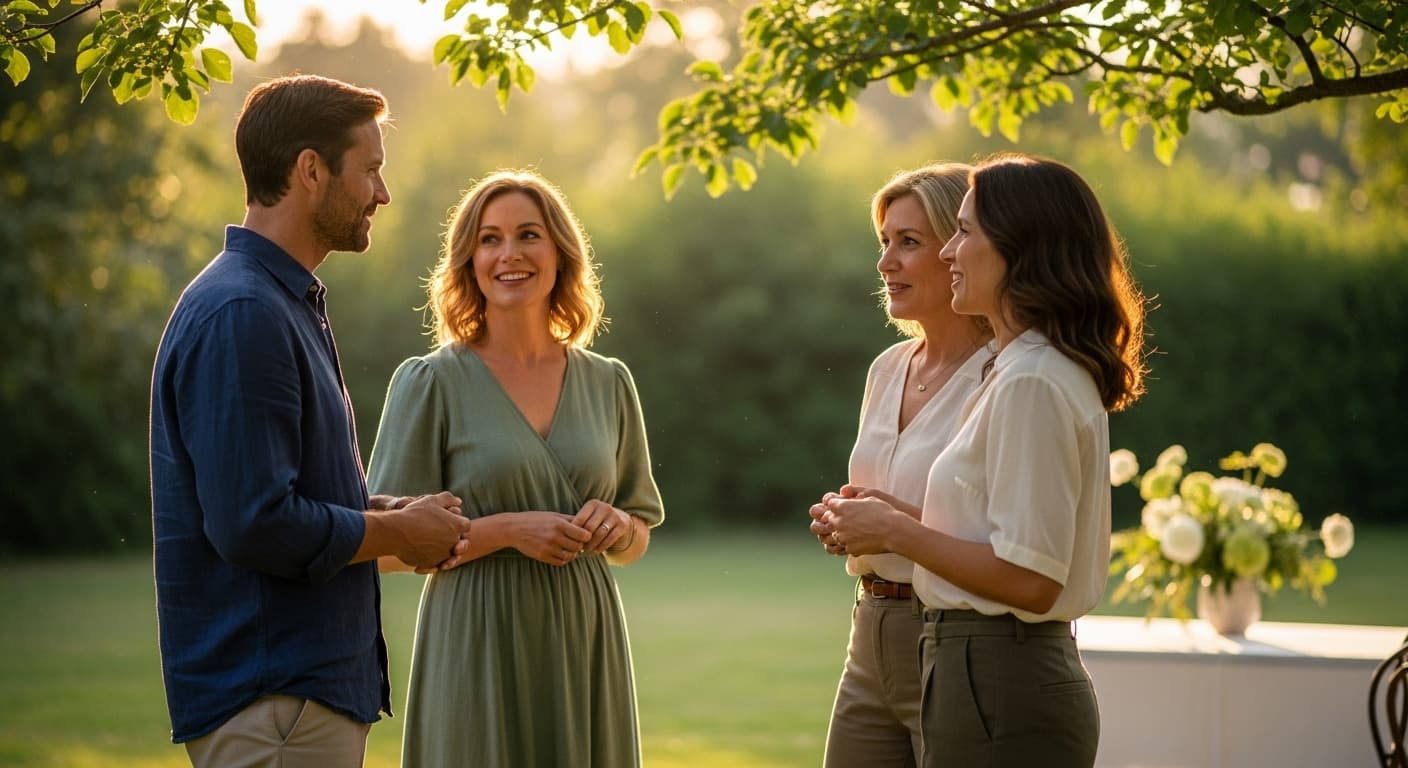
The standard dress code for a celebration of life is smart casual — think polished but not overly formal. Unlike a traditional funeral, celebrations of life are designed to honor someone's personality and the joy they brought, so the tone is usually warmer, lighter, and more personal than black-tie mourning attire.
That said, there is no universal rule. The right outfit depends on the invitation wording, the venue, the family's wishes, and the personality of the person being remembered. Some celebrations feel like a garden party. Others take place in a church and carry a more traditional weight. The safest approach is to read the invitation carefully and, when in doubt, dress one level more formal than you think is necessary — it is always easier to remove a blazer than to wish you had one.
This guide covers everything from color choices and formality levels to outfit ideas for women and men, venue-specific advice, and the most common mistakes people make. Whether you have attended many celebrations of life or this is your first, the goal is the same: to show up looking respectful, comfortable, and true to the occasion.
Key Takeaways
Smart casual is the default — unless the invitation specifies otherwise, aim for polished but not overly formal
You do not have to wear black — celebrations of life often welcome color, especially if the family has requested it or the deceased had a favorite color
Read the invitation first — many families include dress code guidance, a color theme, or venue details that will shape your outfit
Venue matters as much as formality — a beach celebration and a church service call for very different clothing choices
Personal touches are welcome — wearing the deceased's favorite color, a piece of memorial jewelry, or a meaningful accessory is a thoughtful gesture
When in doubt, ask the family — no one will be offended by a respectful question about what to wear, and it shows you care about getting it right
Celebration of Life Dress Code: Understanding Formality Levels
One of the biggest differences between a funeral and a celebration of life is how much the dress code can vary. Funerals tend to follow a predictable template — dark colors, conservative cuts, minimal accessories. Celebrations of life, by contrast, can range from backyard casual to semi-formal depending on the family's wishes, the venue, and the personality of the person being honored. Understanding these formality levels will help you choose an outfit that fits the occasion. For more on how these gatherings differ from traditional services, see our guide on what to expect at a celebration of life.
Casual
A casual celebration of life is typically held outdoors — in a park, at a beach, in someone's backyard, or at a favorite hiking spot. The family may explicitly say "come as you are" or "dress comfortably." In this setting, clean jeans, a nice top or polo shirt, sundresses, or khakis are perfectly appropriate. Avoid ripped or distressed clothing, athletic wear, and flip-flops. The goal is to look intentional without being overdressed. Think of it as the outfit you would wear to a nice weekend brunch.
Smart Casual
This is the most common dress code for celebrations of life and the safest default if no guidance is given. For women, this means a blouse and tailored trousers, a midi dress, or a skirt with a structured top. For men, chinos or dress trousers with a button-down shirt — a tie is optional but not expected. Smart casual strikes the balance between respectful and relaxed. You look like you made an effort without being stiff or uncomfortable.
Formal or Semi-Formal
Some celebrations of life — particularly those held in churches, upscale restaurants, or event venues — lean more formal. The invitation may use words like "cocktail attire" or "please dress formally." In this case, women should opt for a tailored dress, a suit, or an elegant separates combination. Men should wear a suit or at minimum a sport coat with dress trousers and a tie. Dark colors are more common at formal celebrations, but they are not required unless the family has specified.
How to Choose Your Outfit
Check the invitation carefully
The invitation is your single best source of guidance. Look for specific dress code language ("casual," "semi-formal," "wear bright colors"), venue details, and any theme the family has chosen. Some families ask guests to wear the deceased's favorite color or to dress in a particular style that reflects their personality. If the invitation is digital, check for any follow-up messages or event page updates.
Consider the venue
Where the celebration is held tells you as much as the invitation. A church or synagogue suggests conservative, more formal attire. A restaurant or event space calls for smart casual at minimum. A park, beach, or backyard is an invitation to dress comfortably. A private home falls somewhere in between — lean toward smart casual unless told otherwise. Match your shoes to the terrain: heels on grass or sand are impractical and uncomfortable.
Think about the season and weather
Outdoor celebrations in summer call for breathable fabrics, lighter colors, and sun protection. Winter celebrations may require layering — a structured coat over a dress or a scarf with a suit. Spring and fall can be unpredictable, so bring a light jacket or cardigan. Practical comfort matters: if you are shivering or overheating, you will not be present for the people who need your support.
Add a personal or meaningful touch
Celebrations of life are inherently more personal than funerals, and your outfit can reflect that. Consider wearing the deceased's favorite color, a piece of jewelry they gave you, or something that nods to a shared memory. A lapel pin from a cause they supported, a tie in their team's colors, or a scarf they once complimented — these small details show thoughtfulness and often mean a great deal to the family.
When in doubt, ask the family or host
There is no shame in asking. A simple message — "I want to make sure I dress appropriately for the celebration. Is there a particular dress code or color you'd like guests to wear?" — shows respect and care. Most families appreciate the question and are happy to guide you. It is far better to ask than to show up feeling out of place.
Do You Wear Black to a Celebration of Life?
The short answer is: you can, but you do not have to. Black is always appropriate at any memorial event — it is a universally understood signal of respect. However, celebrations of life are specifically designed to be less somber than traditional funerals, and many families actively encourage guests to wear color. Some even include specific color requests in the invitation.
If you are unsure, wearing black is a safe choice that no one will question. But if the invitation mentions color, or if you knew the deceased well enough to know their preferences, do not be afraid to honour them with something brighter. Here is a guide to common color choices and what they communicate:
Colors and Their Meanings
Black — Traditional mourning, always appropriate, signals respect and solemnity. Best for formal celebrations or when no color guidance is given.
Navy blue — A softer alternative to black that still reads as formal and respectful. Works for any formality level and pairs well with almost everything.
Dark gray or charcoal — Understated and elegant. A strong choice for men's suits or women's tailored outfits when black feels too severe.
White or ivory — Symbolizes peace, light, and new beginnings in many cultures. Increasingly common at celebrations of life, especially outdoor or summer events. Check cultural context before choosing all white.
Soft pastels (lavender, blush, sage) — Gentle and uplifting without being too bright. These work especially well for spring and summer celebrations and convey warmth and tenderness.
Forest green or emerald — Symbolizes renewal, growth, and the natural world. A beautiful choice for someone who loved the outdoors or nature.
Burgundy or deep red — Rich and warm, conveying love and deep feeling without being loud. Works well in fall and winter celebrations.
Bright or vibrant colors — Only appropriate when the family has specifically requested them. Some celebrations of life ask guests to wear the deceased's favorite color or to "dress in something that makes you happy." In these cases, honor the request fully.
Earth tones (tan, brown, olive) — Grounded and natural, these colors feel appropriate without being somber. A good middle ground when you want to avoid black but are not sure about wearing color.
Purple or plum — Historically associated with dignity, spirituality, and remembrance. A sophisticated choice that bridges the gap between color and formality.
Yellow or gold — Represents joy, optimism, and celebration. Best reserved for occasions where the family has encouraged bright, happy colors.
As a general rule, muted and mid-tones are the safest choices when no specific guidance is given. Save neon, heavily patterned, or very bright clothing for occasions where the family has explicitly asked for it.
“To live in hearts we leave behind is not to die.”
Celebration of Life Outfit Ideas for Women
The right outfit lets you focus on being present for the people around you rather than worrying about what you are wearing. Here are options across formality levels, each designed to be respectful, comfortable, and appropriate for the occasion.
Casual Celebrations
1. Sundress with a cardigan — A knee-length or midi sundress in a soft print or solid color, paired with a light cardigan or shawl for warmth. Flat sandals or low-heeled mules complete the look. This works well for outdoor celebrations in parks or gardens.
2. Tailored jeans with a silk blouse — Dark-wash, unripped jeans with a tucked-in blouse in a muted color. Add a structured blazer if the event feels slightly more elevated. Loafers or ankle boots keep it grounded.
3. Linen trousers with a relaxed top — Wide-leg linen trousers in a neutral tone with a clean, well-fitting top. This combination is comfortable for warm weather while still looking intentional.
Smart Casual Celebrations
4. Midi dress in a muted tone — A midi dress in navy, sage, soft plum, or charcoal is one of the most versatile choices for a celebration of life. Pair with closed-toe heels or elegant flats. Minimal jewelry keeps the focus on the occasion.
5. Tailored trousers and a structured blouse — High-waisted trousers in a dark or neutral color with a blouse that has some structure — a wrap top, a boat neck, or a subtle ruffle. This is polished without being stiff and works for most venues.
6. A-line skirt with a fitted top — A knee-length A-line skirt in a solid color paired with a fitted, modest top. This silhouette is universally flattering and reads as respectful across age groups.
Formal or Semi-Formal Celebrations
7. A tailored suit or pantsuit — A well-fitted suit in black, navy, dark green, or charcoal is elegant and appropriate for formal celebrations. Pair with a simple shell or camisole underneath. Closed-toe pumps and understated jewelry complete the look.
8. An elegant sheath dress — A knee-length or just-below-the-knee sheath dress in a dark or muted color. Add a statement earring or a silk scarf for a touch of personality. This is the go-to for church or formal venue celebrations.
Celebration of Life Outfit Ideas for Men
Men's options at a celebration of life follow the same principle: match the formality of the event, prioritize comfort and neatness, and add a personal touch if it feels right.
Casual Celebrations
1. Chinos with a polo shirt — Clean, pressed chinos in khaki, navy, or olive with a solid-color polo. Loafers or clean sneakers (not athletic trainers) are appropriate. This strikes the right note for backyard or park celebrations.
2. Dark jeans with a button-down shirt — Well-fitting, dark-wash jeans paired with a long-sleeve or rolled-sleeve button-down. Untucked is fine as long as the shirt is tailored. Desert boots or loafers work well here.
3. Linen shirt with tailored shorts (outdoor/warm weather only) — For beach celebrations or very casual outdoor events in summer, clean tailored shorts (not athletic or cargo) with a pressed linen shirt is acceptable. This should only be worn if the invitation or setting clearly indicates a very casual tone.
Smart Casual Celebrations
4. Dress trousers with a button-down (no tie) — This is the most common look for men at a celebration of life. Dress trousers in gray, navy, or charcoal with a well-pressed button-down shirt. A tie is optional — the open collar keeps it relaxed while the trousers maintain formality.
5. Sport coat with chinos — Adding a sport coat or blazer immediately elevates any outfit. Pair it with chinos and a dress shirt or a clean crewneck sweater underneath. This look can move between casual and semi-formal depending on the shoes you choose.
6. Sweater and collared shirt combination — A fine-knit sweater over a collared shirt, paired with dress trousers, works well for fall and winter celebrations. The layering looks intentional and put-together without being overly formal.
Formal or Semi-Formal Celebrations
7. A full suit — A two-piece suit in black, charcoal, or navy with a dress shirt and tie. This is the appropriate choice for celebrations held in churches, formal venues, or when the invitation specifies formal attire. Keep accessories minimal — a simple watch and polished dress shoes.
8. Blazer with dress trousers and a tie — If you do not own a matching suit, a blazer in a complementary color with dress trousers and a tie reads as semi-formal. A pocket square or lapel pin in the deceased's favorite color is a thoughtful touch.
What to Wear by Venue
The venue shapes your outfit almost as much as the formality level. Here is a breakdown of what works for the most common celebration of life settings.
Outdoor Park or Garden
Dress comfortably and practically. Flat shoes or low heels are essential — grass, gravel, and uneven ground make stilettos impractical. Layers are important since you may be standing in sun or shade at different points. Smart casual is the most common standard: think midi dresses, chinos, or linen. Bring sunglasses and consider sunscreen for longer outdoor events.
Beach
Beach celebrations are among the most casual. Light fabrics, breathable colors, and flat sandals or wedges are appropriate. Flowing dresses and linen trousers work well. Avoid suits, dark heavy fabrics, and anything that will be uncomfortable in heat and sand. A light scarf or wrap is useful for wind. Despite the casual setting, avoid swimwear, tank tops, and athletic clothing — this is still a memorial event.
Church or Place of Worship
Churches and places of worship typically call for more conservative attire. Cover shoulders and knees when possible. Dark or muted colors are generally expected. Men should wear a suit or at minimum a blazer with dress trousers. Women should choose a dress or skirt that falls below the knee, or tailored trousers with a modest top. Avoid anything sheer, low-cut, or heavily casual.
Restaurant or Event Space
Match the tone of the venue. An upscale restaurant calls for smart casual at minimum — dresses, tailored trousers, or suits. A casual cafe or pub is more relaxed, but still calls for clean, intentional clothing. If you have been to the venue before, dress as you would for a nice dinner there, then add one level of formality.
Private Home
Home celebrations vary widely. If the family is hosting at their own home, the event is usually on the casual end. Smart casual is a reliable default — you want to look put-together but not overdressed for someone's living room. If the home is a large estate or a formal setting, adjust upward. When in doubt, ask the host.
Funeral Home or Memorial Chapel
Funeral homes tend to carry a more traditional weight even when hosting a celebration of life. Lean toward semi-formal: dark or muted colors, suits or tailored dresses, conservative accessories. This is the setting where black is most commonly worn, even at a celebration of life. Follow the cues of the family and the tone they have set.
Celebration of Life Attire by Season
Spring and Summer
Warmer months open up your palette and fabric choices significantly. Light colors — soft blues, sage greens, lavender, blush, ivory — feel appropriate and uplifting. Choose breathable fabrics like cotton, linen, and lightweight blends. Midi dresses, tailored shorts (for very casual events only), chinos, and open-collar shirts are all good options. Sun protection matters for outdoor celebrations: a wide-brimmed hat is acceptable at garden or park events, but remove it indoors or during any formal moments. Carry a light layer for air-conditioned indoor venues.
Fall and Winter
Cooler weather calls for richer, deeper tones — burgundy, forest green, navy, plum, charcoal — and heavier fabrics like wool, cashmere, and structured cotton. Layering is your best friend: a wool coat over a tailored dress, a scarf with a suit, or a structured cardigan over a blouse and trousers. Closed-toe boots and shoes are practical and appropriate. For outdoor fall celebrations, dress warmly enough to be comfortable for at least an hour — you will not be able to be emotionally present if you are focused on being cold.
What to Wear Based on Your Relationship
Close Family (Spouse, Child, Parent, Sibling)
As a close family member, you may be greeting guests, speaking, or standing for extended periods. Comfort and confidence matter most. Wear something that makes you feel put-together without requiring constant adjustment. Many families coordinate colors or outfits — ask the primary organizer if there is a plan. You have more freedom here than guests to wear something deeply personal: the deceased's favorite color, a piece of their jewelry, or an outfit they loved seeing you in.
Extended Family (Cousin, Aunt, Uncle, In-Law)
Follow the lead of the immediate family. If they have chosen a color theme or dress code, honor it. Otherwise, smart casual in muted or mid-tone colors is reliable. You want to look respectful without drawing attention away from the people at the center of the event. Avoid anything that could be read as too casual or too flashy.
Friend
As a friend, you have some latitude to express your personal connection to the deceased through your outfit. If they had a favorite color, wearing it is a meaningful gesture. If they were known for a particular style — always in denim, always in florals — a subtle nod to that can be touching. Otherwise, smart casual is the standard. Dress in a way that shows you took care, and that you are here to support the family.
Colleague or Acquaintance
When you did not know the deceased intimately, the best approach is to dress conservatively and follow the lead of others. Smart casual in neutral or dark colors is always safe. Avoid anything too personal, too bright, or too casual. Your presence matters more than your outfit — focus on showing up and being available.
Personal Touches to Honor Their Memory
Wear their favorite color — this is one of the most common and meaningful ways to honor someone at a celebration of life, and families often appreciate seeing it across the room
Memorial jewelry or keepsakes — a locket with their photo, a bracelet they gave you, or a piece of jewelry that carries a shared memory adds a deeply personal layer to your outfit
A meaningful accessory — a tie in their team's colors, a scarf from a trip you took together, or a lapel pin from a cause they supported shows thoughtfulness without being ostentatious
Their signature style — if the deceased was known for always wearing florals, stripes, or a particular hat, incorporating a subtle version of that into your outfit can be a beautiful tribute
A matching element with other guests — some families ask all guests to wear the same color or carry a particular flower; participating fully in this shows respect and solidarity
Something that sparks a memory — even small choices — a color, a pattern, a pair of earrings — can become conversation starters that lead to shared stories about the person being honored
What to Take to a Celebration of Life
Beyond your outfit, knowing what to bring to a celebration of life can help you feel prepared and supportive. This is the practical side of showing up well.
A sympathy card or note — A handwritten card with a personal message is always welcome. You do not need to write a lot — a few sincere lines acknowledging the loss and expressing your care are enough. If you are unsure what to write, something as simple as "I am so sorry for your loss. Your family is in my thoughts" works perfectly.
Flowers — Flowers remain one of the most traditional and appreciated gestures. Check whether the family has specified a preference or if there is a florist handling arrangements. If bringing flowers yourself, choose soft, understated arrangements rather than large, attention-drawing bouquets. For more guidance, see our complete guide on funeral flower etiquette.
Photos or printed memories — Bringing a printed photo of the deceased — especially one the family may not have — can be a deeply meaningful gift. Some celebrations include a memory table or photo display where guests can add their own images. Check with the host first to see if this is part of the plan.
Food or a dish — For home celebrations or events with a potluck element, bringing a prepared dish shows care and takes a burden off the family. Ask the host what would be most helpful. Even for catered events, dropping off a meal the family can reheat later is a thoughtful gesture.
A donation or memorial gift — Many families request donations to a charity or cause in lieu of flowers. If the invitation mentions this, honoring that request is the most respectful choice. A small card noting your donation lets the family know you contributed. For broader gift ideas, see our guide on what to bring to a memorial service.
Tissues and essentials — This is practical, not symbolic. Carry tissues, a small bottle of water, and any personal essentials (medication, sunscreen for outdoor events) so you can be present without needing to leave. Being prepared means being available.
What NOT to Wear: Common Mistakes
While celebrations of life are more flexible than funerals, there are still choices that can feel disrespectful or draw attention for the wrong reasons. Here are the most common mistakes to avoid.
1. Athletic wear or activewear — Yoga pants, running shoes, gym shorts, and athletic tanks are never appropriate, even at the most casual celebration of life. They signal that you did not make an effort, which can feel hurtful to the family.
2. Distressed or heavily ripped clothing — Jeans can be fine for casual celebrations, but heavily ripped, faded, or distressed denim reads as too informal. Choose clean, dark-wash jeans if denim is appropriate for the setting.
3. Very revealing outfits — Low-cut tops, very short skirts or shorts, sheer fabrics, and backless dresses are not appropriate for a memorial event. The focus should be on the person being honored, not on your outfit. Keep necklines, hemlines, and silhouettes modest.
4. Overly flashy or attention-grabbing clothing — Sequins, metallics, neon colors, and heavy logos are distracting. Unless the family has specifically asked for bright or celebratory clothing, tone it down. The goal is to blend respectfully, not to stand out.
5. Graphic tees or novelty clothing — T-shirts with slogans, jokes, or graphic prints — even if the deceased would have found them funny — are not appropriate for a memorial setting. The exception is if the family has specifically created memorial t-shirts for the event.
6. Flip-flops or very casual footwear — Even at beach or outdoor celebrations, flip-flops look too casual. Choose clean sandals, loafers, or flats instead. Your shoes should look intentional, not like an afterthought.
7. Heavy cologne or perfume — This is often overlooked. Strong fragrances can be overwhelming in indoor spaces and can trigger headaches or nausea in people who are already emotionally drained. If you wear fragrance, keep it very light or skip it entirely.
8. All-white outfits (without cultural context) — While white is increasingly accepted at celebrations of life, wearing head-to-toe white without cultural context or family guidance can read as out of step. If you want to wear white, pair it with another color or check with the family first. In some cultures, all-white is the norm for mourning — know your context.
The underlying principle is simple: dress in a way that would make the deceased's family feel respected and supported. If you would not wear it to a job interview, it is probably not right for a celebration of life.
Create a Lasting Tribute to Their Life
A celebration of life is a moment. A memorial page gives family and friends a permanent space to share photos, stories, and memories — keeping their legacy alive for years to come.
Create a Free Memorial PageMemoriTree
MemoriTree editorial team.