
Plants as Memorials: Best Living Tributes for Every Climate
Discover the best memorial plants to honor a loved one. Explore our complete guide to outdoor funeral plants, memorial trees, and lasting sympathy flowers.
Finding Comfort in a Living Tribute
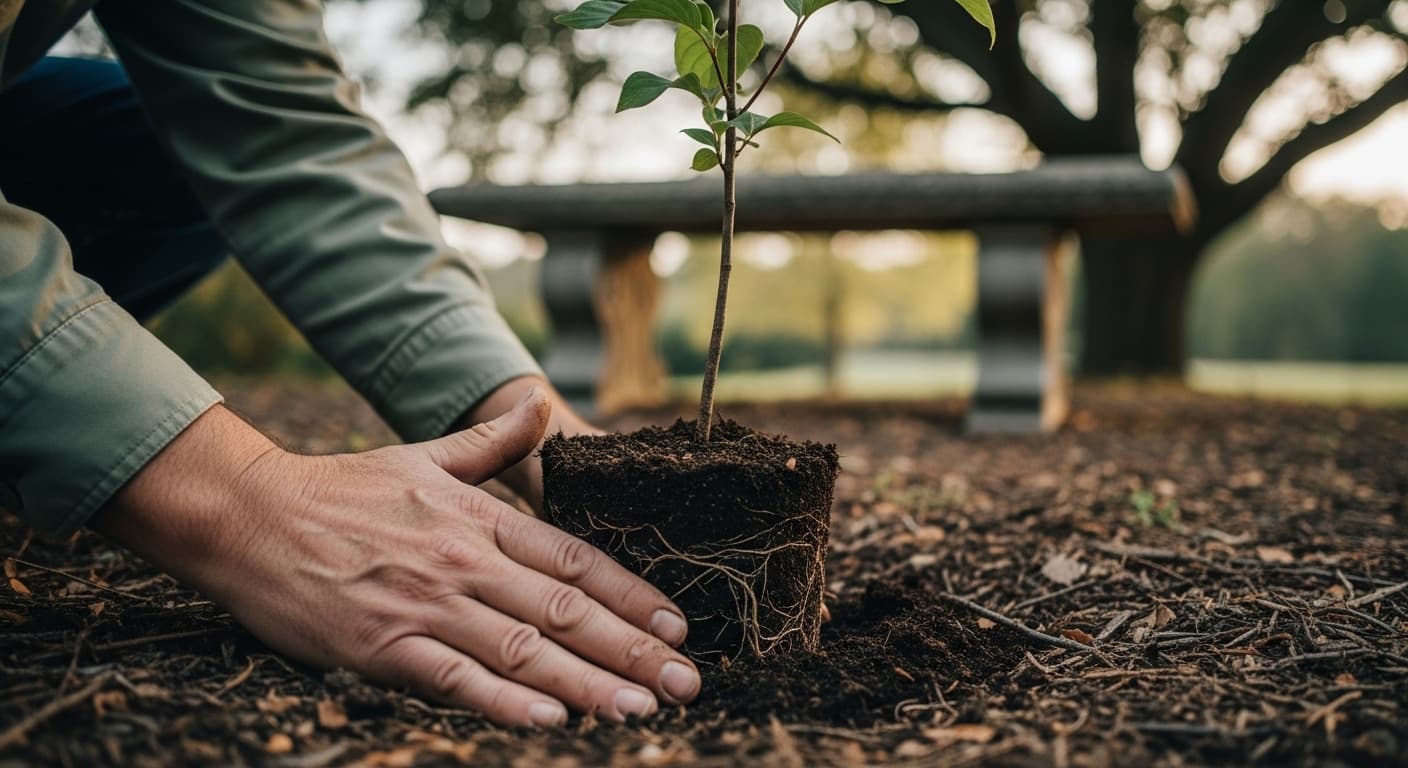
When a loved one passes, the immensity of the loss can feel overwhelming. In the days and weeks that follow, many families find themselves searching for something tangible to hold onto—a physical representation of a life that meant so much. While traditional memorials offer a place of reflection, there is a unique and profound comfort to be found in planting a living tribute. A memorial plant is not static; it grows, changes with the seasons, and blooms anew, offering a beautiful metaphor for the enduring nature of love.
Choosing to honor someone with a living plant allows you to actively participate in their legacy. Whether it is a towering oak tree that will shade future generations, a delicate rose bush that blooms in their favorite color, or a simple indoor peace lily, nurturing new life can be a deeply restorative act. As you water the soil and tend to the leaves, you are given a quiet, meditative space to process your grief and celebrate their memory.
As you explore how others have created lasting tributes, you will quickly discover that there is no single "right" way to plant a memorial. The best choice depends entirely on your climate, your space, and the unique personality of the person you are remembering. This guide will walk you through everything you need to know to select, plant, and care for a living memorial that will stand the test of time.
Key Takeaways: Planning Your Living Tribute
Climate compatibility is crucial: Always verify your local USDA Hardiness Zone before purchasing an outdoor memorial tree or shrub.
Transition indoor plants carefully: Funeral plants like lilies and hydrangeas can thrive outdoors, but they must be hardened off gradually.
Choose symbolic species: Select plants that reflect your loved one's personality, favorite colors, or the season they loved most.
Embrace the natural cycle: Understand that plants will drop leaves and go dormant; this is a natural cycle, not a failure of your tribute.
Patience pays off: Wait to observe the sunlight in your yard before committing a permanent legacy tree to the ground.
The Healing Power of a Memory Plant
In our experience helping thousands of families create lasting tributes, we often see how having a physical place to visit brings profound comfort. When the flurry of funeral planning subsides and the quiet reality of loss sets in, having a specific destination—even if it is just a corner of your own backyard—provides an anchor. A memorial plant becomes a dedicated space where you can speak to your loved one, sit in silence, or simply observe the quiet persistence of life.
According to horticultural therapists, the act of tending to a plant can actively aid the grieving process. Grief can often feel entirely out of our control, a chaotic storm of emotions that we are powerless to stop. Gardening, on the other hand, is an act of gentle control and nurturing. Pruning away dead leaves, ensuring the soil is moist, and protecting roots from the frost are all tangible actions that yield visible results. This physical engagement with nature helps ground the mind.
Furthermore, planting a memorial tree or garden connects us to a timeline much larger than our own. A sturdy tree will outlive us, offering shade and shelter to future generations. It transforms the finality of loss into a continuing story of growth. Every new bud in the spring serves as a gentle reminder that while physical presence ends, the impact of a beautiful life continues to blossom.
Best Memorial Trees for a Lasting Legacy
Oak Tree (Zones 3-9)
A universal symbol of strength, endurance, and wisdom. An oak tree is perfect for honoring a family patriarch or someone who was a pillar of support.
Dogwood (Zones 5-9)
Known for its stunning spring blossoms, the dogwood represents rebirth and resilience. Ideal for someone who brought light and beauty into the world.
Cherry Blossom (Zones 5-8)
Symbolizing the fleeting, beautiful nature of life. A cherry tree offers a breathtaking, albeit brief, floral display that encourages us to cherish every moment.
Sugar Maple (Zones 3-9)
Famous for brilliant autumn foliage, the maple represents balance and promise. A wonderful choice for honoring a life lived with vibrant energy.
White Birch (Zones 2-7)
With its striking white bark, the birch symbolizes new beginnings and hope. It is highly resilient in cold climates and offers year-round visual interest.
Weeping Willow (Zones 4-10)
Graceful and elegant, the weeping willow represents adaptability and the natural flow of emotion. It thrives near water and offers a beautiful canopy of peace.
Meaningful Sympathy Plants for the Loss of a Mother
When seeking memorial ideas for a mom who has passed, families often look for plants that embody her nurturing spirit, her elegance, or the warmth she brought to their home. Rather than defaulting to traditional funeral lilies, consider selecting a perennial shrub or flower that reflects her distinct personality.
Peonies are a deeply cherished option. Known for their lush, voluminous blooms and intoxicating fragrance, they symbolize maternal love and healing. Because peonies can live for decades—often outliving the gardeners who planted them—they serve as a magnificent, long-lasting tribute that will bloom reliably every spring around Mother's Day.
Hydrangeas and lilacs are also wonderful choices. Hydrangeas offer massive clusters of blooms that can change color based on soil acidity, representing the multifaceted nature of a mother's guidance. Lilacs, with their unmistakable sweet scent, evoke powerful memories and nostalgia. When choosing a plant for your mother, think about the seasons she loved most. Did she eagerly await the first thaw of spring, or did she prefer the golden warmth of late summer? Let her preferences guide your selection.
How to Transition Funeral Plants Outdoors
Assess the Plant's Health
Before moving any plant, ensure it is healthy. Remove the decorative foil wrapping immediately to allow drainage, and prune away any dead or wilting flowers.
Determine Climate Suitability
Check if the specific plant (e.g., florist hydrangea or calla lily) can survive your local winter. If it cannot, plan to keep it as a patio container plant that comes inside before the frost.
Harden Off Gradually
Do not move an indoor plant directly into full outdoor sun. Place it in a shaded, sheltered outdoor spot for a few hours a day, gradually increasing its exposure over a week.
Prepare the Soil
Choose a location with appropriate sunlight. Dig a hole twice as wide as the root ball and amend the native soil with high-quality compost to ensure proper drainage.
Plant with Care
Gently loosen the root ball before placing it in the hole. Ensure the plant sits at the same depth it did in its pot. Backfill the soil and press down gently to remove air pockets.
Establish a Watering Routine
Water deeply immediately after planting. For the first year, newly transplanted funeral plants require consistent moisture to establish their root systems in the ground.
Designing Your Remembrance Space
Creating a memorial garden is about more than just digging a hole; it is about curating a sanctuary. When you begin looking into memorial garden ideas, you will find endless inspiration—from elaborate stone pathways to simple, quiet corners featuring a single bench. The key is to design a space that invites you to linger and reflect.
Most guides suggest planting your memorial tree immediately, but we recommend a different approach: wait a full season to observe how light moves across your yard before committing a legacy tree to the ground. Spend a few months watching where the morning sun hits, where the afternoon shade falls, and where water pools after a heavy rain. A memorial tree is a permanent addition to your landscape, and ensuring it has the absolute best environmental conditions will prevent future heartbreak.
While you wait to plant the primary tree, you can begin shaping the space with temporary containers, wind chimes, or a small water feature. Consider adding smooth river stones where visitors can write messages in waterproof ink. By taking your time, the design process itself becomes a therapeutic journey, allowing the garden to evolve organically alongside your own healing process.
Crucial Tip: Understanding USDA Hardiness Zones
The most common mistake families make is planting a beautiful memorial species that cannot survive their local winter. Before purchasing any outdoor plant, find your USDA Hardiness Zone (based on your zip code). If you live in Zone 4, a plant rated for Zones 7-10 will inevitably perish in the frost. Always buy plants rated for your specific zone to ensure your tribute thrives for years to come.
Plant a Tree in Their Honor
If you don't have the outdoor space or gardening experience, let MemoriTree plant a tree in a global reforestation project on your behalf. It's a beautiful, stress-free way to create a living legacy.
Plant a Memorial TreeCaring for the Plant (and Yourself) Over Time
When you plant a memorial, it is natural to feel highly protective of it. Families often experience a surge of anxiety if the plant drops leaves prematurely or struggles during a dry spell. It is incredibly important to remember that plants are living organisms subject to the whims of nature. A yellowing leaf or a need for heavy pruning is part of the natural cycle of growth, not a failure of your tribute or an omen about your loved one's memory.
Bereavement counselors frequently see families draw profound parallels between their garden and their grief journey. Just as a tree goes dormant in the winter—stripping itself bare to conserve energy through the bitter cold—grief often forces us into periods of quiet retreat. The tree is not dying; it is resting, preparing its roots for the warmth of spring. Similarly, the heavy, dormant periods of grief are necessary for our own emotional survival.
If a memorial plant does eventually succumb to harsh weather or disease, please be gentle with yourself. The love and intention you poured into planting it remain valid and beautiful. You can always replant, or you might choose to transition your focus to a permanent online space. By taking the time to create a memorial digitally, you ensure that even as physical gardens change, the stories, photos, and memories remain perfectly preserved for generations to come.
Create a Lasting Digital Tribute
Pair your physical garden tribute with a permanent online memorial. Invite friends and family to share stories, photos, and memories from anywhere in the world.
Start Your Memorial