
Pet Memorial Ideas: 20 Heartfelt Ways to Honor a Pet Who Was Family
Losing a pet is losing a family member. These 20 meaningful pet memorial ideas — from living memorials and custom art to digital tributes and farewell ceremonies — help you grieve and honor their memory in a way that feels right.
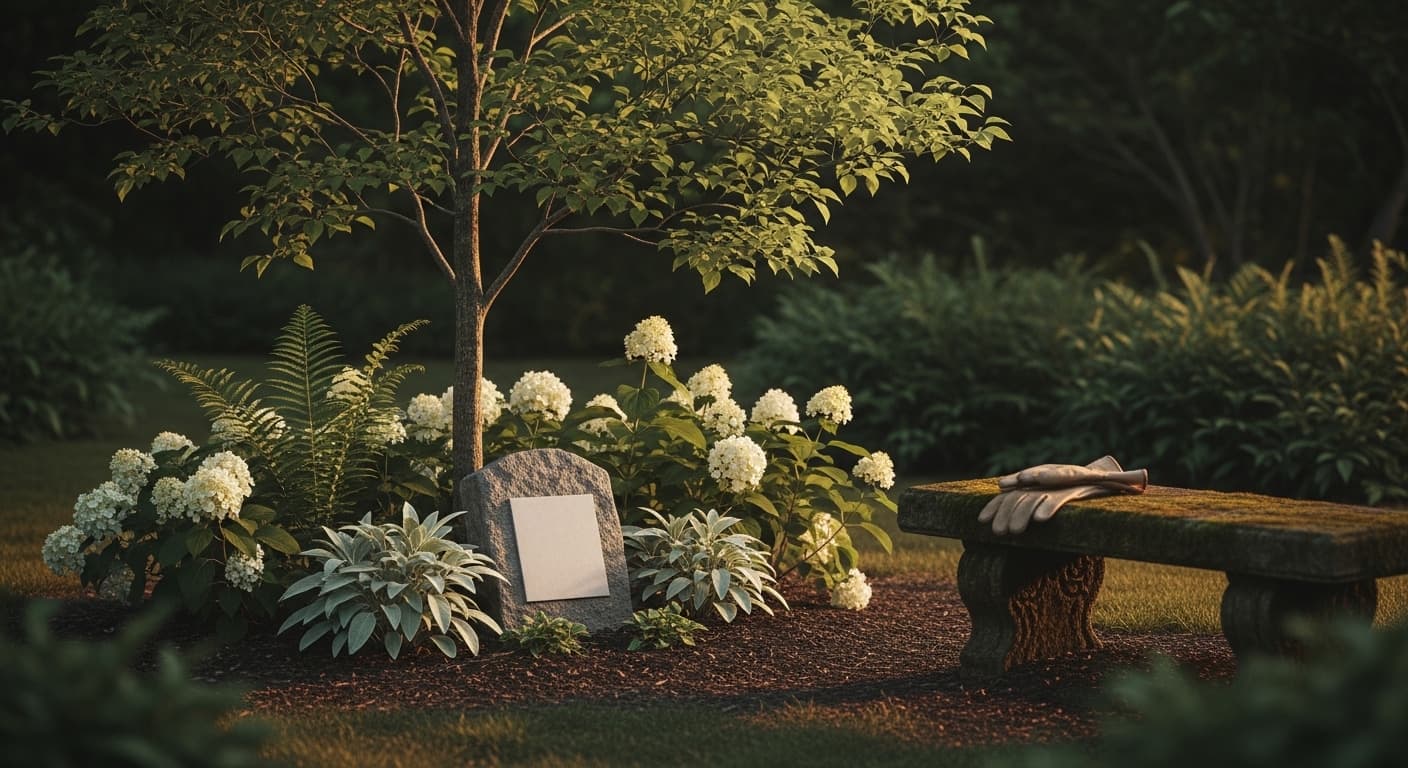
Pet memorial ideas range from planting a living tree in their honor to commissioning a custom portrait, creating a paw print keepsake, or building a digital memorial page that friends and family can visit for years. The right idea depends on how your pet lived, what they meant to you, and how you grieve — there is no single correct way to say goodbye.
The loss of a pet is the loss of a daily companion, a source of unconditional love, and in many cases, a relationship that lasted over a decade. Grief researchers increasingly recognize pet loss as a legitimate and often underacknowledged form of bereavement. The pain is real, and the need to memorialize is real too.
This guide covers 20 ideas organized by type — living memorials, species-specific tributes, DIY projects, keepsakes, and ways to give back in their name. For words to help you through this time, our companion guide on loss of a pet quotes offers comfort from people who understood this kind of grief.
Key Takeaways
There is no timeline — a memorial created months or even years after a loss can be just as meaningful as one made immediately
Living memorials grow with your grief — trees, gardens, and plants provide an ongoing connection that a static object cannot
Species-specific ideas matter — dog and cat owners tend to want different things; the ideas below are organized accordingly
Involvement helps children grieve — giving kids a role in creating a pet memorial is one of the most effective ways to support them through loss
Digital memorials reach people physical ones cannot — friends, family, and even online communities who loved your pet can share memories from anywhere
Donation in their name creates lasting impact — supporting a shelter or rescue in a pet's name turns private grief into something that helps other animals
Plant a Living Memorial
A living memorial is one of the most enduring ways to honor a pet. Unlike a framed photo or a keepsake box, a tree or garden grows and changes — it marks anniversaries naturally, provides a place to visit, and turns private grief into something visible in the world.
Idea 1: Plant a Memorial Tree
Choose a tree your pet loved to lie under, a species native to your area, or one that blooms in their favorite season. Fruit trees, flowering cherries, and sturdy oaks are all popular choices. If you do not have outdoor space, a potted tree or a memorial tree planted through a conservation charity works just as well. Our full guide to planting a tree in memory covers species selection, dedication ceremonies, and gifting a memorial tree to someone else who is grieving.
Idea 2: Create a Pet Memorial Garden
A dedicated corner of your garden — even a small raised bed or a few potted plants — becomes a place to grieve, remember, and sit quietly. Include plants your pet liked to sniff or brush past, add a memorial stone (see Idea 9), and consider planting something that blooms on the anniversary of their passing. For more inspiration, our guide on memorial garden ideas includes layout suggestions, plant pairings, and ideas for small outdoor spaces.
Dog Memorial Ideas
Dogs leave a particular kind of absence. The empty lead by the door, the quiet at walk time, the lack of a greeting when you come home — dog grief has its own specific shape. These six ideas are designed for dog owners and target the ways that dogs specifically wove themselves into daily life.
Idea 3: Frame Their Collar and Lead
A shadow box frame containing your dog's collar, lead, ID tag, and a favourite photo is one of the most popular dog memorial ideas — because it honours the objects most associated with your daily life together. Shadow boxes are available from most craft stores; add a small engraved nameplate for a finished look.
Idea 4: Commission a Custom Dog Portrait
A hand-painted or digitally illustrated portrait of your dog is a lasting tribute that can live in your home for decades. Many artists on Etsy specialise in pet portraits and can work from photographs. Watercolour, oil, and pencil portraits are the most popular styles. Order early if you want it for a particular date.
Idea 5: Create a Memory Walk Route
If your dog had a favourite walking route — a park, a beach, a woodland trail — dedicate that walk to them. Some owners leave a small engraved plaque at a favourite resting spot (with landowner permission), or simply walk the same route on their dog's birthday or adoption anniversary as a private ritual of remembrance.
Idea 6: Have Their Pawprint Cast in Resin or Clay
Paw print casting kits are widely available and simple to use at home. A three-dimensional resin or air-dry clay impression of your dog's paw is a deeply personal keepsake — especially if you make it while they are still alive. Vets and animal hospitals sometimes offer professional casting as part of end-of-life care; ask in advance.
Idea 7: Donate Their Unused Supplies to a Local Shelter
Donating your dog's unused food, toys, bedding, and equipment to a rescue shelter is both a practical act and a meaningful one. Many owners find that seeing those items go to animals who need them transforms grief into purpose. Some shelters will let you make the donation in your dog's name.
Idea 8: Write a Letter to Them
This is one of the simplest and most therapeutically effective dog memorial ideas. Write a letter to your dog — what you are grateful for, what you will miss, what you wish you had said. It does not need to be shared with anyone. Many pet grief counselors recommend this exercise as a way of externalising feelings that can otherwise feel impossible to process.
Cat Memorial Ideas
Cats live their lives on their own terms, which is part of why losing them feels so particular. The empty windowsill, the missing weight on the bed at night, the silence where purring used to be — cat loss has its own texture. These ideas respond to that.
Idea 9: Create a Window Box Garden in Their Name
Cats love windows. A window box planted in their memory — filled with catmint, lavender, or whatever they liked to brush their face against — is a gentle, everyday tribute. Every time it blooms, it remembers them.
Idea 10: Commission a Custom Cat Portrait
Like dog portraits, custom cat portraits are a growing market with many skilled artists specialising in capturing feline personalities. Watercolour lends itself particularly well to cats — it handles the softness of fur and the light in their eyes with a quality that photographs sometimes cannot.
Idea 11: Make a Cat Hair Locket or Pressed Paw Print
A small amount of fur saved from a brushing session — or gently collected after passing — can be kept in a locket, worked into a piece of resin jewellery, or pressed into a keepsake card. Some specialist jewellers create pendants containing pet hair that are indistinguishable from standard fine jewellery.
Idea 12: Support a TNR (Trap-Neuter-Return) Programme in Their Name
If your cat was a rescue or came from a feral background, donating to a local trap-neuter-return programme in their name is a way of honouring where they came from. Many TNR organisations will issue a dedication certificate, and the donation directly reduces cat overpopulation in your area.
DIY Pet Memorial Projects
Hands-on memorial projects serve a dual purpose: they produce a lasting tribute and they give grief somewhere to go during the making. These four ideas require minimal materials and no specialist skills.
Idea 13: Paw Print Art
Beyond casting (see Idea 6), a simple ink paw print on watercolour paper or canvas is something many families make as a ritual when a pet first joins them — and return to when they leave. If you have an existing print, frame it alongside a current photograph as a memorial triptych. If you do not, vets can take a print posthumously; do not hesitate to ask.
Idea 14: Pet Memory Book or Scrapbook
Gather photographs, vet records, adoption papers, collar tags, and any notes or cards from people who loved your pet, and compile them into a physical memory book. The process of curating these items is itself a form of grief work. Memory books can be shared with children, kept on a shelf, or passed down as a family record.
Idea 15: Pet Memorial Shadow Box
A shadow box is a deep-framed display case that can hold three-dimensional objects alongside flat items. For a pet memorial shadow box, consider including: a favourite toy, their ID tag, a paw print, a photograph, and a small written tribute. Shadow box kits are available from craft stores, or a local framer can build one to your specifications.
Idea 16: Handmade Memorial Ornament
Air-dry clay or salt dough can be used to make a Christmas or year-round ornament featuring your pet's paw print or a small relief portrait. These are especially popular memorial projects for families with children, who can be involved in the making. The ornament becomes a seasonal ritual of remembrance — brought out and hung each year.
Commission Custom Pet Art or Portraits
Beyond the portrait ideas mentioned for dogs and cats, there is a broader market for custom pet art that suits any species and any aesthetic. Options include:
Hyper-realistic oil portraits — typically £150–£400 from professional animal portrait artists; indistinguishable from a photograph at a glance but carries the weight of a hand-made object.
Illustrated children's book style — particularly meaningful if the pet was important to children in the family; some illustrators will create a small illustrated story about your pet as a keepsake book.
Abstract or impressionist interpretations — capturing the feeling of a pet rather than strict likeness; popular for those who want a piece of art that works in their home without being overtly a pet portrait.
Sculptural busts or figurines — three-dimensional ceramic or resin sculptures of a pet's likeness, made from photographs; niche but increasingly available from specialist Etsy artists.
When commissioning any custom pet art, provide a range of high-resolution photographs (not just one), include pictures that show their personality as well as their appearance, and agree on a revision policy before paying. Lead times for hand-painted work are typically four to eight weeks.
Memorial Jewelry and Keepsakes
Wearable memorials allow you to carry your pet with you — a form of continuing bonds that grief researchers increasingly recognize as healthy and adaptive. The two most significant categories are:
Idea 17: Cremation Ash Jewelry
A small amount of cremated remains can be incorporated into glass, resin, or metal jewellery — pendants, rings, and bracelets are all common. Memorial glass jewellery, in which ashes are fused into borosilicate glass to create a unique swirl of colour, is particularly popular. UK-based companies such as Ashes into Glass and US-based companies such as Ashley Lozano offer this service. Pieces typically cost £50–£300 depending on complexity.
Idea 18: Fur Locket or Hair Inclusion Jewellery
If you did not have your pet cremated, or if you prefer a different kind of keepsake, fur or hair saved from a last grooming session can be pressed into a locket or encased in resin. Some specialists create pendants with a small transparent window that reveals the fur inside. This is a particularly meaningful option for pets lost to sudden illness or accident, where there was no time to plan.
For inspiration on how to incorporate these keepsakes into a broader tribute, see our guide on how to honor a loved one — many of the principles apply directly to pet loss.
Memorial Stones and Plaques
Idea 19: A memorial stone or garden plaque gives grief a fixed point in physical space — a place you can visit, decorate on anniversaries, or simply acknowledge in passing. Options range from simple engraved slate (widely available from garden centres for under £30) to bespoke hand-carved granite markers.
When choosing text for a memorial stone, keep it short: your pet's name, the years they were with you, and one short line that captures who they were. For help with wording, our guide on memorial plaque wording includes dozens of examples for pets specifically, covering everything from single-word tributes to short verses.
If you are burying your pet at home (where legally permitted), a memorial stone placed over the burial site serves as both a marker and a focal point for the garden memorial. For pets buried at a pet cemetery, most sites offer engraved stones or plaques as part of their service.
Donate or Volunteer in Their Name
Channelling grief into action is one of the most recognized coping strategies in bereavement research. For pet owners, the most natural direction is towards animals who need help.
Consider donating to:
Local rescue shelters — most will accept donations in a pet's name and may acknowledge the dedication in their newsletter or on their website.
Veterinary research charities — if your pet died of an illness, donating to research into that condition is a way of giving their death meaning beyond itself.
Wildlife conservation organizations — appropriate if your pet was a bird, rabbit, or other species with a wild counterpart.
Alternatively, volunteer at a local shelter in your pet's name. Walking dogs or socializing cats in the weeks after a loss can provide therapeutic contact with animals during the period when their absence is most acute.
Create a Digital Memorial
A digital memorial page is the most accessible way to share your pet's story with the people who loved them — including friends and family who live far away, online communities built around your pet's social media presence, or simply future generations who deserve to know who this animal was.
A dedicated memorial page can hold photographs across their lifetime, stories from people who knew them, a timeline of milestones (first walk, first beach trip, the day they chose you at the shelter), and an ongoing space for tributes. Unlike a physical memorial, a digital page is accessible from anywhere and can grow over time.
For context on why this matters, our guide on why digital memorials matter explores how online memorials are changing the way families preserve memory — and why pets belong in that conversation as much as people do.
Hold a Pet Farewell Ceremony
Ritual is one of the primary ways humans process loss — and there is no reason that ritual should be reserved for human deaths. A farewell ceremony for a pet does not need to be formal or elaborate. It only needs to be intentional.
A simple ceremony might include: gathering the people (or just yourself) who loved your pet, reading something aloud — a poem from our loss of a pet quotes collection, or something you have written yourself — playing music they seemed to respond to, and lighting a candle. If you are burying or scattering ashes, the ceremony can take place at that moment. If not, it can happen anywhere that was meaningful to your pet.
Children benefit particularly from farewell ceremonies. Being given a role — carrying flowers, reading a sentence, placing a favourite toy — gives them agency in a situation where they otherwise have none, and communicates clearly that grief is a normal response to love.
Pet Memorial Tattoos
A memorial tattoo is a permanent tribute and, for many pet owners, the most fitting one. The skin is the most intimate possible canvas for a memorial — and a well-designed pet tattoo can be a piece of art in its own right.
Popular approaches include a portrait (realistic or stylised), a paw print (their actual paw print transferred to a design), a silhouette, or a symbol associated with the pet — their collar tag shape, a toy, a breed-specific motif. Fine-line tattoos have become particularly popular for pet memorials, as the delicacy of the style suits the intimacy of the tribute.
Most tattoo artists advise waiting at least a few weeks after a loss before committing to a design — not because the impulse is wrong, but because the best memorial tattoos emerge from considered reflection rather than immediate grief. Use that time to collect reference images, research artists who specialize in animal portraiture, and decide on placement.
Helping Children Cope with Pet Loss
For many children, a pet is their first experience of death. The way this loss is handled can shape their relationship with grief for the rest of their lives. Child psychologists recommend honesty, involvement, and ritual — the same tools that help adults.
Be honest about what happened — avoid euphemisms like "went to sleep" or "passed away", which can create confusion and anxiety. Age-appropriate honesty ("Maisie's body stopped working and she died") is better for long-term processing.
Involve them in memorial-making — give children a role in creating the memorial. They can decorate a memory box, press a paw print, contribute a drawing to a memory book, or choose what to plant in a memorial garden.
Create an ongoing ritual — an annual planting, a birthday acknowledgment, or a visit to a memorial garden gives children a structured way to reconnect with grief over time rather than feeling pressure to "move on".
Normalise the grief — let children see that adults grieve too. Modelling healthy grief — crying, talking about the pet, laughing at memories — teaches children that loss is survivable and that emotions are not dangerous.
For guidance on supporting a grieving family more broadly, our guide on how to help a grieving friend covers practical strategies that apply to both adult and child bereavement.
“Until one has loved an animal, a part of one's soul remains unawakened.”
Give Your Pet a Memorial That Lasts
Create a free memorial page for your pet — a place to share their photos, stories, and the moments that made them irreplaceable. Friends and family can add their own memories, and the page stays accessible for as long as you need it.
Create a Free Pet Memorial