
How to Honor a Loved One Who Has Passed: 15+ Meaningful Ways
30 meaningful ways to honor a loved one who has passed — from living memorials and charitable acts to creative tributes, digital legacies, and everyday remembrance rituals.
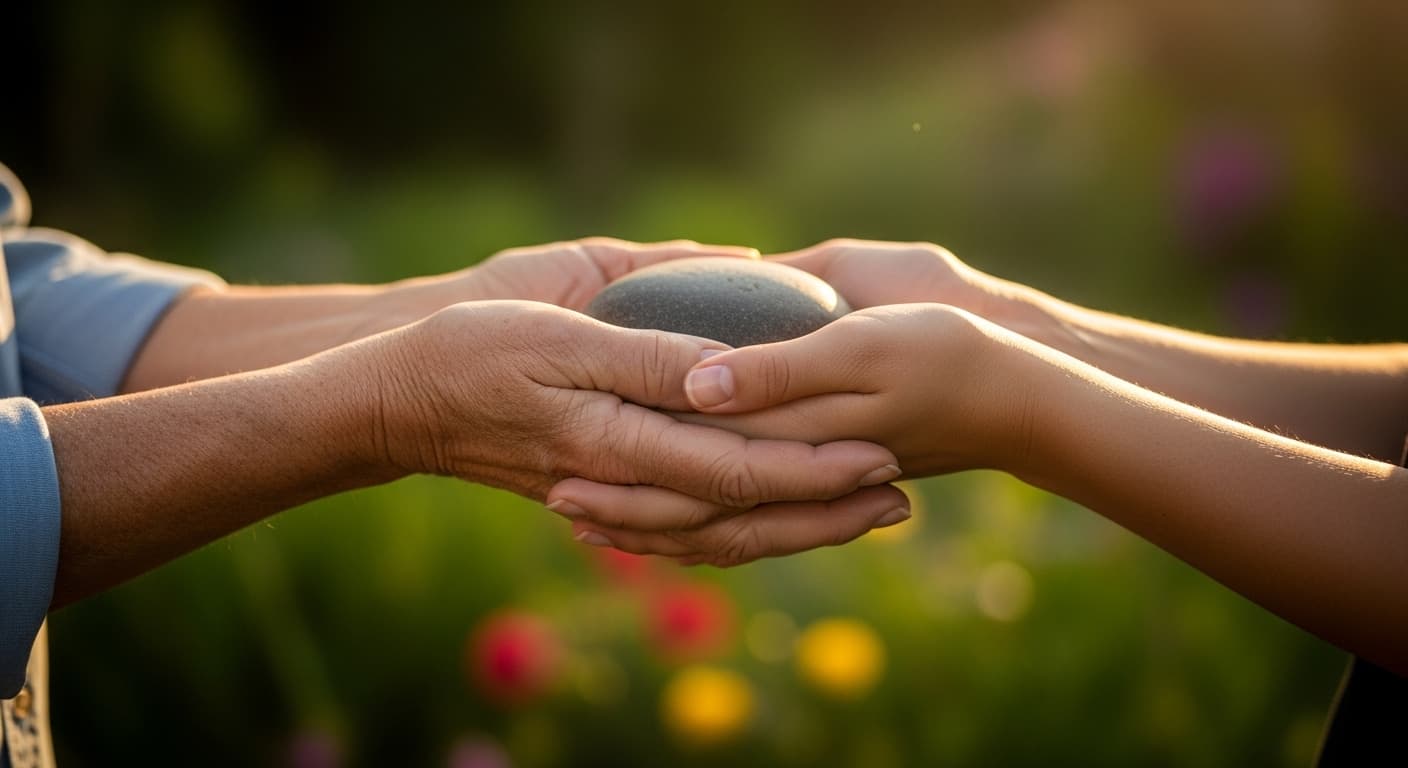
Honoring a loved one who has passed is one of the most personal things you can do in grief. There is no single right way — only the ways that feel true to who they were and who you are. Here are 30 meaningful ideas across every category, from living tributes to digital legacies.
The five most universally meaningful ways to honor someone who has died are: (1) plant a living memorial — a tree, garden, or wildflower patch; (2) create a dedicated online memorial page; (3) make a charitable donation in their name; (4) compile a memory book or photo project that preserves their story; (5) host a celebration of life that centres on who they were and the joy they brought. Each of these turns grief into something generative — a continued expression of love that outlasts the immediate loss.
The 30 ideas below are organised into seven categories. You do not need to attempt all of them. One meaningful tribute, done well, carries far more weight than ten half-finished gestures. Read through, find what resonates, and let that guide you.
Key Takeaways
Living memorials are the most enduring — a tree or memorial garden grows with the years, becoming a physical anchor for grief that changes alongside you
Charitable acts carry their spirit forward — donating to a cause they cared about, funding a scholarship, or volunteering in their name turns loss into lasting legacy
Creative tributes are deeply personal — a memory book, playlist, or recipe collection captures who they were in a way that generic memorials cannot
Digital legacies are permanent and shareable — an online memorial page lets friends and family across the world contribute stories, photos, and messages for years
Everyday rituals matter as much as grand gestures — lighting a candle on their birthday, cooking their favourite meal, or simply saying their name are all forms of honour
Eco-friendly options are growing — reef memorials, biodegradable urns, and wildflower plantings offer meaningful tributes aligned with nature-loving values
There is no deadline — honoring a loved one can happen the week of their death or ten years later; meaningful tribute has no expiry date
Living Memorials: 5 Tributes That Grow With Time
Living memorials are among the most enduring ways to honor a loved one. Unlike a static monument, a living tribute changes and grows — offering a renewed connection to the person you have lost with every season. Grief researchers note that ongoing rituals and living symbols play a significant role in what is called "continuing bonds" grief theory: the idea that maintaining a meaningful connection to the deceased supports long-term healing.
1. Plant a tree in their memory. A memorial tree is one of the oldest and most resonant forms of tribute. It grows, provides shelter for wildlife, and can be visited for decades. Many families choose a species that meant something to the person — a favourite fruit tree, a native oak, or a flowering cherry. For a guided approach to choosing a species, selecting a location, and planning a planting ceremony, see our full guide on planting a tree in memory.
2. Create a memorial garden. A dedicated garden space — even a single raised bed or a container arrangement on a balcony — can become a place of reflection and peace. Include plants that held meaning for the person: flowers they grew, herbs they cooked with, or colours they loved. For design ideas, plant recommendations, and personalisation inspiration, see our guide on memorial garden ideas.
3. Donate to a nature conservation project in their name. Organisations such as the National Forest Foundation, the Woodland Trust, and One Tree Planted allow you to make a donation that directly funds tree planting or habitat preservation in a named person's memory. Many offer a certificate or registry entry you can share with family.
4. Sponsor a park bench or nature trail. Many local parks, botanical gardens, and national parks accept memorial bench sponsorships. A plaque with the person's name and a short inscription creates a public place of remembrance that strangers will sit beside and read for generations.
5. Plant a wildflower meadow or scatter seed bombs. For a more informal and joyful living memorial, scatter a packet of wildflower seeds — ideally species the person loved or native varieties that support pollinators — in a garden or permitted natural space. The blooms each summer become an annual tribute that costs almost nothing and returns faithfully every year.
Creative and Personal Tributes: 5 Ways to Capture Who They Were
Some of the most meaningful ways to honor someone are deeply personal — capturing who they were in a form that preserves their story for future generations. These ideas work especially well for people who want something tangible to hold, share, and return to over time.
6. Create a memory book. A memory book — sometimes called a tribute album or legacy book — collects photographs, handwritten notes, printed messages, and mementos into a single keepsake. Involve the whole family by asking everyone to contribute a page, a photo, or a written memory. Services like Artifact Uprising and Chatbooks make professional-quality books accessible; a handmade version carries its own particular weight.
7. Build a photo documentary project. Go beyond a simple album and create a curated photographic narrative — chronological, thematic, or both. Print the best images, write captions that tell the story behind each photograph, and bind or frame the result. For a public memorial, a framed photo display at a celebration of life gives guests a focal point for storytelling and shared remembrance.
8. Build a memorial playlist. Music is one of the most powerful triggers of memory. Compile the songs that mattered to them — their favourite album, the track that always played on road trips, the song at their wedding — into a playlist you can share and return to. Platforms like Spotify and Apple Music allow you to share playlists with anyone, turning a private tribute into a collective one.
9. Compile a family recipe collection. Food carries memory in a way that almost nothing else does. Collect the recipes they made — from scribbled index cards, from the memory of family members, from handwritten cookbooks — and compile them into a bound collection. Some families create small printed editions to share with relatives. Cook from it on anniversaries and birthdays, and the ritual of preparation becomes its own act of tribute.
10. Commission custom artwork. A portrait, an illustrated map of places they loved, a piece of jewellery incorporating their handwriting, or a custom illustration of their home — bespoke artwork creates a permanent tribute that can be passed down through generations. Many artists on Etsy and similar platforms specialise in memorial commissions.
Charitable Acts in Their Name: 5 Ways to Turn Loss into Legacy
Charitable tributes transform grief into action. When you give in someone's name — whether financially or through your time — you extend their values and their impact beyond their lifetime. Grief counselors note that purposeful action is one of the most effective pathways through complicated grief, because it channels the energy of loss into something constructive.
11. Establish a scholarship in their name. A named scholarship — even a modest annual award at a local school or university — keeps the person's name alive in the community year after year. Many educational foundations allow contributions as small as a few hundred dollars annually. Work with the institution's development office to set terms that reflect the values the person held.
12. Donate to a cause they cared about. Ask family and friends to donate to a charity the person supported in lieu of flowers. Many charity websites allow you to create a memorial fundraising page that collects tributes from across the family network — the total impact can be a powerful source of collective meaning.
13. Organise an annual memorial volunteer day. Gather a group of friends and family for a day of volunteering at a cause the person supported — a local food bank, an animal shelter, a community garden. The shared activity becomes a ritual of tribute, and the organisation benefits from the labour. Many families make this an annual event on the death anniversary.
14. Dedicate a memorial bench. Beyond parks, many communities accept memorial contributions for hospital gardens, library wings, community centres, and sports facilities. A named plaque on something used by the public daily is a quiet but persistent form of remembrance. For inscription ideas, see our guide on memorial plaque wording.
15. Lead a community project in their honour. If the person was involved in their community — through faith, sport, arts, or advocacy — consider spearheading a project that carries their vision forward. A mural, a community garden, a neighbourhood initiative: projects like these create a legacy that outlasts any individual tribute.
Digital and Lasting Tributes: 5 Ways to Build a Permanent Legacy Online
Digital memorials have become one of the most significant shifts in how we grieve and remember. Unlike physical tributes, online memorials are accessible to friends and family anywhere in the world — and they can be visited, added to, and shared indefinitely. For a deeper exploration of why this matters, see our guide on why digital memorials matter.
16. Create an online memorial page. A dedicated memorial page brings together photographs, a biography, stories, and messages from friends and family in one permanent home. It serves as the definitive online space for a person's memory — a place that can be found by searching their name, and that gives anyone who loved them somewhere to return to. MemoriTree makes this free and easy to set up, with tools for collaboration, guestbooks, and photo sharing.
17. Produce a video tribute. A memorial video — combining photographs, video clips, voice recordings, and music — captures a person's life in a way that written words alone cannot. Many families show a video tribute at the funeral or celebration of life, then share it privately online. Video editing tools like iMovie, Adobe Premiere Rush, and online services like Tribute make production accessible without technical expertise.
18. Set up a dedicated social media tribute. A private Facebook group or Instagram account dedicated to the person allows friends and family to share memories, photographs, and updates in an ongoing stream. On anniversaries and birthdays, the page becomes a gathering place — a digital equivalent of visiting a memorial. Many families find that a social media tribute page sees meaningful activity for years after the death.
19. Build a shared digital photo album. Use a service like Google Photos shared albums or iCloud to create a curated digital collection that family and friends can contribute to from anywhere. Unlike physical albums, digital collections can hold thousands of photographs, include video, and be added to over decades.
20. Create a QR memorial. A QR code printed on a memorial stone, a tree marker, a funeral programme, or a framed photograph links anyone who scans it to an online memorial page. The technology bridges the physical and digital — a headstone with a QR code can lead visitors to a full biography, photo gallery, and guestbook. Several services now offer weatherproof QR plaques designed specifically for outdoor memorial use.
Everyday Remembrance: 5 Ways to Keep Them Present in Ordinary Life
Not every act of tribute needs to be a grand gesture. Some of the most powerful ways to honor a loved one are woven quietly into the fabric of daily life — small rituals and habits that keep them present in ordinary moments.
21. Mark their heavenly birthday. Their birthday — known to many as their heavenly birthday — is one of the most emotionally significant dates in the grieving calendar. Acknowledging it with intention, rather than letting it pass in silence, prevents the isolation that many bereaved people feel on these dates. For ideas on how to mark the day with meaning, see our guide on what is a heavenly birthday.
22. Carry on a tradition they started. The recipes they cooked every Christmas, the Sunday walk they always led, the annual trip they organised — continuing these traditions in their absence is one of the most intimate forms of tribute. It keeps their role in the family's rhythm alive, and it gives younger generations a way to know someone they may have lost too soon.
23. Wear or carry something of theirs. A piece of their jewellery, a watch, a scarf, a keychain — wearing something that belonged to them creates a physical connection that is uniquely comforting. For items too precious to wear daily, a jeweller can incorporate them into a new piece, such as a pendant set with their birthstone or a ring engraved with their handwriting.
24. Say their name in conversations. Research in grief psychology consistently shows that bereaved people are comforted when others say the name of the person who died — and distressed when people avoid it. One of the simplest acts of honour is to mention them by name: "That reminds me of something Dad always said." Naming them keeps them part of the family story.
25. Establish an anniversary ritual. Designate a specific action for the death anniversary each year — visiting a meaningful place, cooking their favourite meal, lighting a candle, gathering a small group to share memories. A repeated ritual gives the anniversary shape and meaning, transforming it from a day to be dreaded into a day of intentional remembrance.
For more ideas centred on a mother's memory specifically, see our guide on memorial ideas for mom.
“The life of the dead is placed in the memory of the living. To live in the hearts of those we love is not to die.”
Eco-Friendly Memorial Ideas: 5 Ways to Return to Nature
Eco-friendly memorials are among the fastest-growing categories in end-of-life tribute. For loved ones who cared deeply about the natural world — or who simply wanted their legacy to be as gentle as possible on the planet — these options offer a deeply meaningful form of honour.
26. Choose a biodegradable urn. Biodegradable urns — made from materials like bamboo, recycled paper, salt, or mycelium — allow cremated remains to become part of the earth rather than remaining in a sealed vessel. Some are designed to hold a seed or sapling, so that the remains directly nourish a growing plant as they decompose.
27. Create a reef memorial. Reef memorial services mix cremated remains into a concrete reef structure that is placed on the ocean floor, where it becomes habitat for marine life. For ocean-loving individuals, this is one of the most resonant forms of tribute — their resting place becomes a living, growing part of the sea.
28. Plant a wildflower patch in their memory. Designate a corner of a garden or a section of a permitted outdoor space for a wildflower planting. Native wildflower mixes support pollinators, require minimal maintenance, and return every year with no intervention. Some families mark the area with a simple engraved stone or a small wooden post.
29. Arrange a green burial. Green burials — in which the body is interred in a biodegradable shroud or coffin without embalming, allowing natural decomposition — are now available through dedicated natural burial grounds in most US states and many countries. The Green Burial Council maintains a directory of certified providers.
30. Commission a memorial tree through a conservation charity. Several charities — including the Woodland Trust and One Tree Planted — plant trees in memorial woodlands on behalf of families, issuing a certificate with the tree's location and species. Families can visit and photograph the tree as it grows, and pass on its location to future generations as a living inheritance.
Memorial Events: Bringing People Together to Celebrate a Life
Collective remembrance — gathering with others to share stories, laughter, and grief — is one of the most healing acts available to the bereaved. Memorial events create a shared space for tribute that no solitary act can replicate.
Host a Celebration of Life
A celebration of life is a gathering focused on joy rather than grief — on who the person was rather than that they are gone. It can take any form: a garden party, a dinner, a pub evening, an afternoon of music, or a memorial service with an open mic. The defining feature is that it centres the person's unique character. For 50 ideas to inspire yours, see our guide on 50 celebration of life ideas, and for step-by-step practical guidance from invitations to readings, see our guide on how to plan a celebration of life.
Start an Annual Gathering
An annual gathering — on the death anniversary, on their birthday, or on another meaningful date — creates a recurring ritual of collective remembrance. It does not need to be elaborate: a shared meal, a walk in a favourite place, a visit to the grave, or an evening of storytelling is enough. The repetition over years builds something powerful: a shared memory of remembering together.
Organise a Memory Walk or Sponsored Event
A sponsored memory walk, run, or cycle — particularly one that raises money for a charity connected to the deceased's illness or interests — combines tribute, community, and purpose. Many hospices and cancer charities organise annual memory walks; families can also organise their own, choosing a route that was meaningful to the person.
Give Their Memory a Permanent Home
An online memorial page is one of the most meaningful things you can create — a space where family and friends can share photos, stories, and messages that will last for years. Free to create, and ready in minutes.
Create a Free Memorial PageMemoriTree
MemoriTree editorial team.