

András J. Riedlmayer
Cultural heritage historian
- Lifespan
- January 1, 1947 – February 9, 2026Jan 1, 1947 – Feb 9, 2026
- Location
- Cambridge, Massachusetts, United StatesCambridge, MA
Published by
525 visits7 tributesShare
Cultural heritage historian
András J. Riedlmayer, a distinguished Hungarian-born American art historian and librarian, passed away on February 9, 2026, at the age of 79. A tireless advocate for cultural preservation, Riedlmayer dedicated his career to documenting and protecting the rich heritage of the Islamic world, particularly in the Balkans. His profound scholarship and unwavering commitment left an indelible mark on the fields of Ottoman studies and cultural heritage.
Born in Budapest in 1947, Riedlmayer pursued a rigorous academic path, earning degrees from the University of Chicago and Princeton University, where he specialized in Ottoman history and Near Eastern Studies. He further honed his expertise with a Master's in Library and Information Science from Simmons College. This unique blend of historical knowledge and archival skill prepared him for a career at the forefront of cultural documentation.
For 35 years, from 1985 until his retirement in 2020, Riedlmayer served as the director of the Documentation Center for Islamic Architecture at Harvard University's Fine Arts Library. In this pivotal role, he built one of North America's most comprehensive collections on Islamic art and architecture. Beyond his work at Harvard, he was a respected leader in his field, holding positions such as president of the Ottoman and Turkish Studies Association.
Riedlmayer's most impactful work emerged from the tragic conflicts in the former Yugoslavia during the 1990s. He became a crucial expert witness for the prosecution at the International Criminal Tribunal for the former Yugoslavia (ICTY), meticulously documenting the systematic destruction of mosques, libraries, and historical sites in Bosnia and Herzegovina and Kosovo. His courageous testimony in numerous trials, including those of Slobodan Milošević and Radovan Karadžić, helped establish the deliberate targeting of cultural heritage as a war crime, setting a vital precedent for international justice.
His dedication to preserving memory and combating cultural genocide earned him widespread recognition. In 2018, he was honored with the David H. Partington award for his contributions to Middle East librarianship, and in 2022, he received the MEM Lifetime Achievement Award from Middle East Medievalists. András Riedlmayer's legacy will endure through his scholarly contributions, his pioneering work in cultural heritage protection, and his unwavering pursuit of truth and justice.
Those who wish to honor András's memory are invited to .
Remembering those we recently lost
Plant the first tree in their honor
Share your thoughts and memories
I didn't know András as well as many who have shared memories of him here and elsewhere online, but I, too, benefited from his expansive knowledge and intellectual generosity. András could help you find anything, and he was always willing to do so. He's left an indelible impact on both the scholarship and lives of so many in our field, and he will be deeply missed.
András was deeply learned, kind, and humble - a true mensch and human being, in every sense. His comparison of memorial books of Jews, Bosnians, Armenians, and other groups that suffered destructive trauma was pioneering, inspiring, and influential. As he once told my students, to explain why he went to Kosovo and the ICTY, "when a librarian gets mad, they get really mad..." My heartful condolences to Carol and his family. May his memory be a blessing.
Few people in the outside world pay attention to the systematic destruction of culture that occurs in war, genocide and crimes against humanity. Andras was one of those very rare people. He kept records of every historical artifact in Bosnia and Kosovo. What it was like, when it was built, by whom, what happened to it on what date, what its final state was? He had information about it all. For the first time in history, a person defended libraries, bridges, places of worship and historical places in court against war criminals. That person was the big-hearted Andras. He was like a walking library and his generosity in sharing information was incredible. For years I received many emails about different issues from him. His finesse in details was also amazing. He sent a link to an article, almost always he would also send its content because not everyone could open every link. We will miss the kind and deep-thinking Andras very much. A person like an angel came and went from this world. Sincere condolences to his family. May he rest in peace. Nur içinde yat.
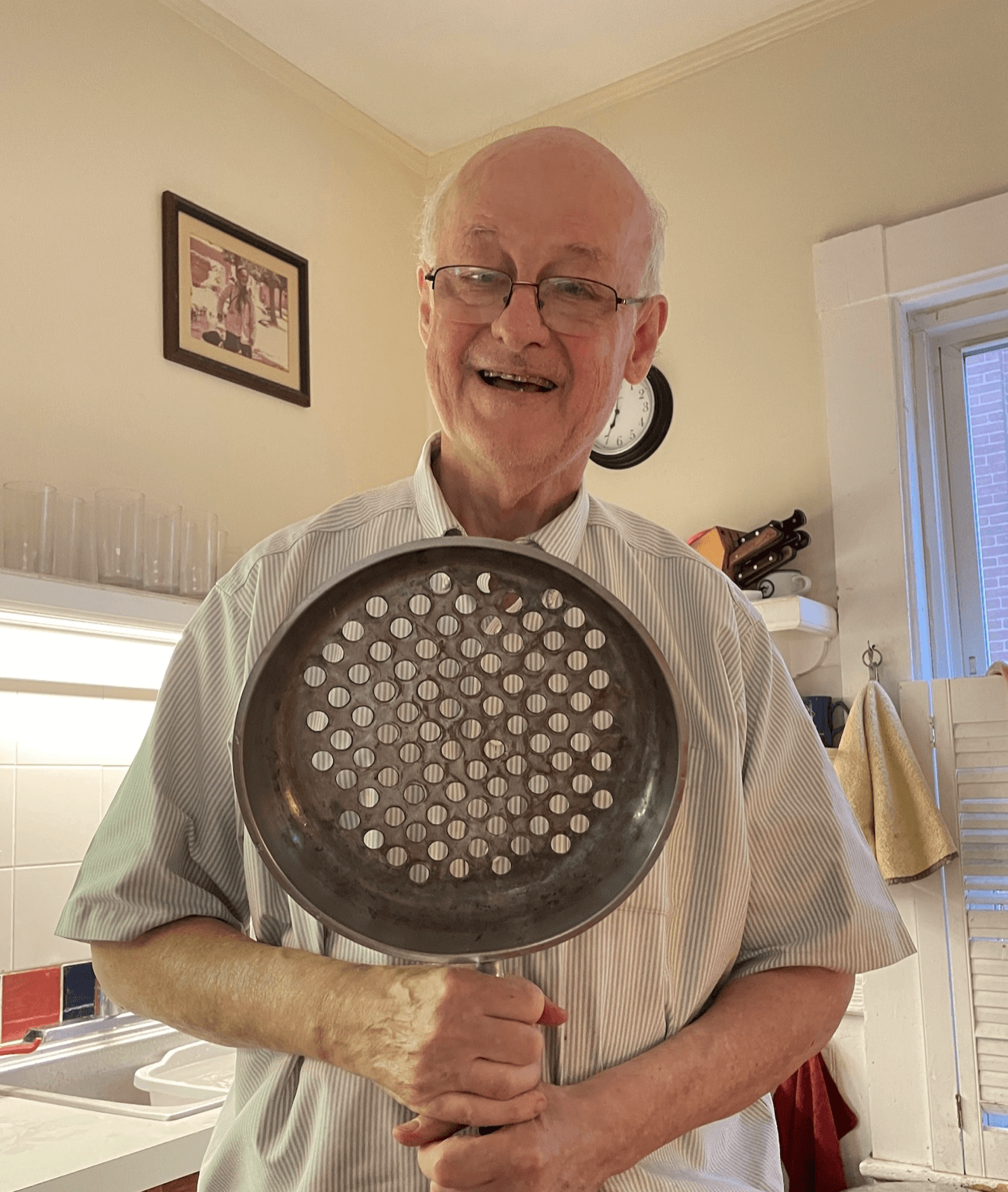
András was a close friend for over fifty years. We met in 1974 on my first trip to Istanbul. Andras had been there several years, having come originally on a Fulbright. He was living in a run-down wooden house with garden courtyard directly above Harem. The view of Saray Burnu was magnificent, but the first thing I noticed was the books. From Turkish schoolbooks to Saadi, there were books everywhere. András was an extraordinary friend—generous, learned beyond description, and always with an insight or a wry observation that would be step or two outside of the conventional. There was a world of things that ''only András would notice'' or ''only András would know,'' which is precisely how those who knew him would put it. And he kept in touch. We had a lively correspondence spanning the decades. Whether as densely written, pale-blue aerogrammes, arriving long after being posted, or as emails hidden among the catch of the day, news from András was special. Always reading, always with a book at hand, András would have consumed whole libraries given the chance. As it was, he saved libraries—libraries of human culture in whatever form they might take. And he added to them with his work and the work of the many students and scholars who benefitted from his knowledge. He was principled and selfless in his research, in his tireless documentation of war crimes, in his defense of undefended people. He was modest about his own achievements, and he shared with all. By way of passing on a memory and an Andrásian anecdote, I post this photo taken in August 2024 while visiting András and Carol in Cambridge. András is holding a custom-made noodle pan—a pan with a story. András emigrated with his parents and older sister from Hungary to the U.S. when he was twelve. That would have been 1959 or 1960. At the time he was the only one in the family who knew some English. When they arrived in Chicago, the family decided to make Hungarian noodles for their first dinner in their new home. But the local market didn't have the right kind of implement for making noodles. So his parents bought a standard American frying pan instead. Back home, his father drew a pattern of evenly spaced holes on the pan's surface. Then, because twelve-year-old András was the only one who spoke English, he told András to go out and find a machinist to bore the holes. András found his way to a machine shop. The machinists were bemused at why this young foreigner would want to ruin a new frying pan, but they did as asked and noodles were served. Our hearts go out to Carol, their two children and grandchild. Farewell, dear friend.
Andras was the most noble and kind person, a lifelong advocate for multiethnic plurality in Bosnia and other countries. He provided his scholarship on behalf of justice to the international tribunal. Andras was always so generous with his considerable scholarship to journalists like me, and served as a lifetime force for good. My condolences to Carol and his beautiful family of which he was so proud, and to his many friends around the world.
András was a wonderful colleague. I saw him mainly at the meetings of what was then the Turkish Studies Association. I remember well his tireless efforts to reconstruct Bosnia's lost Ottoman archival and manuscript collections during and after the tragic civil war. That work has served as a model for other scholars trying to preserve and reconstruct collections elsewhere that are threatened by violence and upheaval, as in Yemen. On a personal level, András was always friendly, humble, and approachable. He was an important scholar and activist who will be deeply missed. My sincere condolences to his family.
Rest in peace, dear András! I will always remember your expert advise on Arabic scripts, and your sense of humour.
I didn't know András as well as many who have shared memories of him here and elsewhere online, but I, too, benefited from his expansive knowledge and intellectual generosity. András could help you find anything, and he was always willing to do so. He's left an indelible impact on both the scholarship and lives of so many in our field, and he will be deeply missed.
András was deeply learned, kind, and humble - a true mensch and human being, in every sense. His comparison of memorial books of Jews, Bosnians, Armenians, and other groups that suffered destructive trauma was pioneering, inspiring, and influential. As he once told my students, to explain why he went to Kosovo and the ICTY, "when a librarian gets mad, they get really mad..." My heartful condolences to Carol and his family. May his memory be a blessing.
Few people in the outside world pay attention to the systematic destruction of culture that occurs in war, genocide and crimes against humanity. Andras was one of those very rare people. He kept records of every historical artifact in Bosnia and Kosovo. What it was like, when it was built, by whom, what happened to it on what date, what its final state was? He had information about it all. For the first time in history, a person defended libraries, bridges, places of worship and historical places in court against war criminals. That person was the big-hearted Andras. He was like a walking library and his generosity in sharing information was incredible. For years I received many emails about different issues from him. His finesse in details was also amazing. He sent a link to an article, almost always he would also send its content because not everyone could open every link. We will miss the kind and deep-thinking Andras very much. A person like an angel came and went from this world. Sincere condolences to his family. May he rest in peace. Nur içinde yat.
András was a close friend for over fifty years. We met in 1974 on my first trip to Istanbul. Andras had been there several years, having come originally on a Fulbright. He was living in a run-down wooden house with garden courtyard directly above Harem. The view of Saray Burnu was magnificent, but the first thing I noticed was the books. From Turkish schoolbooks to Saadi, there were books everywhere. András was an extraordinary friend—generous, learned beyond description, and always with an insight or a wry observation that would be step or two outside of the conventional. There was a world of things that ''only András would notice'' or ''only András would know,'' which is precisely how those who knew him would put it. And he kept in touch. We had a lively correspondence spanning the decades. Whether as densely written, pale-blue aerogrammes, arriving long after being posted, or as emails hidden among the catch of the day, news from András was special. Always reading, always with a book at hand, András would have consumed whole libraries given the chance. As it was, he saved libraries—libraries of human culture in whatever form they might take. And he added to them with his work and the work of the many students and scholars who benefitted from his knowledge. He was principled and selfless in his research, in his tireless documentation of war crimes, in his defense of undefended people. He was modest about his own achievements, and he shared with all. By way of passing on a memory and an Andrásian anecdote, I post this photo taken in August 2024 while visiting András and Carol in Cambridge. András is holding a custom-made noodle pan—a pan with a story. András emigrated with his parents and older sister from Hungary to the U.S. when he was twelve. That would have been 1959 or 1960. At the time he was the only one in the family who knew some English. When they arrived in Chicago, the family decided to make Hungarian noodles for their first dinner in their new home. But the local market didn't have the right kind of implement for making noodles. So his parents bought a standard American frying pan instead. Back home, his father drew a pattern of evenly spaced holes on the pan's surface. Then, because twelve-year-old András was the only one who spoke English, he told András to go out and find a machinist to bore the holes. András found his way to a machine shop. The machinists were bemused at why this young foreigner would want to ruin a new frying pan, but they did as asked and noodles were served. Our hearts go out to Carol, their two children and grandchild. Farewell, dear friend.
Andras was the most noble and kind person, a lifelong advocate for multiethnic plurality in Bosnia and other countries. He provided his scholarship on behalf of justice to the international tribunal. Andras was always so generous with his considerable scholarship to journalists like me, and served as a lifetime force for good. My condolences to Carol and his beautiful family of which he was so proud, and to his many friends around the world.
András was a wonderful colleague. I saw him mainly at the meetings of what was then the Turkish Studies Association. I remember well his tireless efforts to reconstruct Bosnia's lost Ottoman archival and manuscript collections during and after the tragic civil war. That work has served as a model for other scholars trying to preserve and reconstruct collections elsewhere that are threatened by violence and upheaval, as in Yemen. On a personal level, András was always friendly, humble, and approachable. He was an important scholar and activist who will be deeply missed. My sincere condolences to his family.
Rest in peace, dear András! I will always remember your expert advise on Arabic scripts, and your sense of humour.